

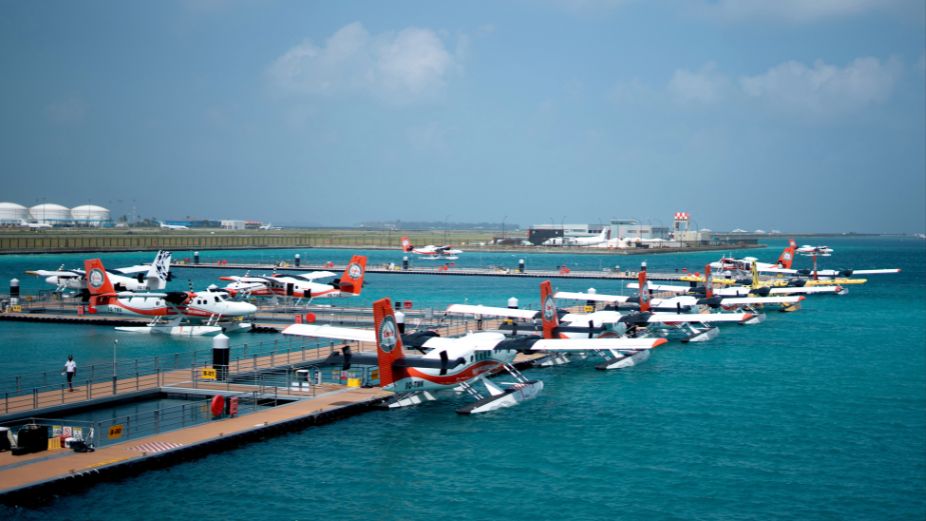




Trans Maldivian Airways has added its 66th aircraft to its seaplane fleet, expanding capacity at a time when resort transfers continue to face sustained demand from a growing tourism market.
The latest aircraft strengthens operational coverage across the atolls, where seaplane connectivity remains a central component of resort access. TMA operates the world’s largest fleet of DHC-6 Twin Otter aircraft, supporting transfers to more than 80 resorts across 16 atolls through a network that runs hundreds of flights each day.
Since introducing seaplane services in the Maldives in 1993, Trans Maldivian Airways has become a core transport provider within the country’s tourism ecosystem. The airline’s fleet includes resort-branded aircraft and VIP-configured planes, reflecting the varied operational requirements of luxury, premium, and high-volume resort operations.
TMA recorded its highest passenger volumes in 2025, reflecting both the rebound and expansion of the Maldives’ tourism sector. According to the company, the fleet expansion allows greater flexibility in scheduling, maintenance planning, and peak-season operations, particularly as new resorts enter the market and flight frequencies increase.
Commenting on the aircraft’s arrival, Head of Corporate Strategy and Business Development Shubham Moondhara said the expansion follows a year of record demand and reflects the trust placed in the airline by resort partners and the wider industry. He said the focus for 2026 remains on scaling operations while maintaining service reliability across the network.
The airline also received multiple international recognitions during 2025, including being named Leading Tourist Transfer Provider (Air) at the SATA Awards and World’s Leading Seaplane Operator at the World Travel Awards for the tenth time. These awards reflect TMA’s long-term role in setting operational standards for seaplane services globally.
Looking ahead, TMA said its priority remains supporting the continued growth of Maldivian tourism through operational reliability, workforce expertise, and fleet readiness, as the country positions itself for another year of high visitor arrivals.