

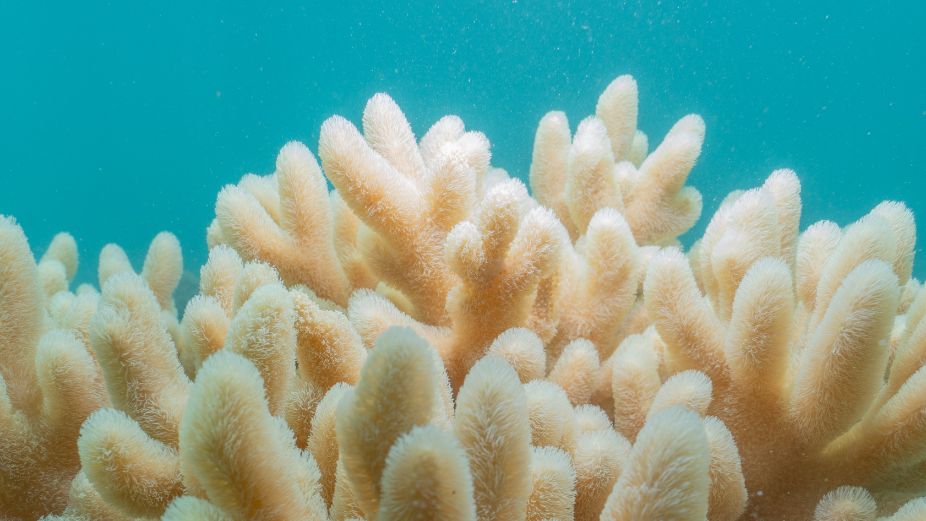






Rising sea temperatures are expected to place the Maldives at increased risk of coral bleaching in the coming weeks, prompting calls for urgent precautionary measures to protect reef ecosystems.
Maldives Resilient Reefs (MRR) stated that the country is currently under a coral bleaching “watch” level, with forecasts indicating a likely escalation to conditions where significant bleaching could occur within the next one to twelve weeks. The warning reflects sustained heat stress in ocean waters, which can lead corals to expel the algae that provide them with energy and colour, increasing the risk of widespread reef damage.
The organisation noted that while corals can recover if temperatures return to normal quickly, prolonged exposure to elevated heat can result in mass mortality. Previous global bleaching events in 1998, 2016, and 2023 have already had severe impacts on reefs in the Maldives.
In response to the projected risk, MRR has called for a temporary halt to dredging and land reclamation activities, arguing that sedimentation and increased turbidity could intensify stress on already vulnerable coral systems. It also urged tourism operators to suspend sand pumping and beach replenishment activities during the risk period, given the sector’s reliance on healthy reef ecosystems.
Additional measures highlighted include ensuring proper treatment of sewage before discharge to prevent nutrient pollution, which can further weaken coral resilience. The organisation also encouraged the public to take greater care when using reef areas, including avoiding physical damage from anchoring, fishing, and recreational activities.
The statement reflects broader concerns about the cumulative pressures facing coral reefs, particularly as global warming continues to drive more frequent and intense marine heat events. MRR emphasised that reducing local stressors during periods of elevated risk could improve the chances of reef survival.