

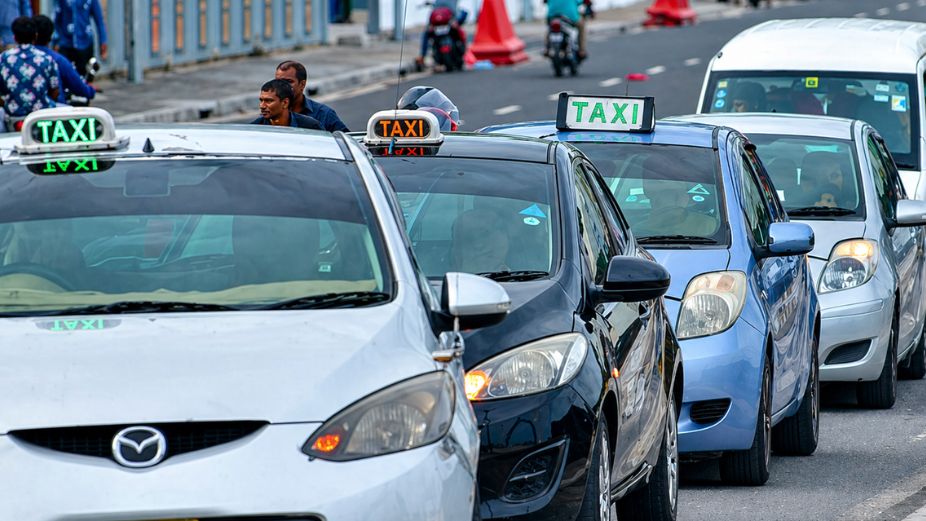






Concerns over the viability of the “Taxi Nafa” loan scheme have intensified as borrowers continue to face repayment demands for vehicles that remain unregistered and unusable, prompting assurances from the government that the issue will be addressed.
Transport Minister Mohamed Saeed has indicated that the matter is under review following public complaints, including a letter circulated on social media by a private citizen highlighting the prolonged difficulties faced by participants in the scheme. The letter pointed to ongoing pressure from lenders to begin repayments despite borrowers being unable to operate their vehicles due to registration delays.
The scheme, introduced to support Maldivian citizens in establishing taxi services in the Greater Malé Region, has encountered setbacks linked to administrative processes within relevant institutions. As a result, many recipients have been unable to secure permits required for operation, effectively preventing them from generating income.
The Minister has acknowledged the concerns raised and has instructed transport authorities to investigate the issue and identify a resolution. The focus, according to his response, is on ensuring a fair outcome while expediting a practical solution.
Borrowers have also raised legal and financial concerns tied to the delays, noting that repayment obligations have continued to accumulate despite the absence of operational capacity. These concerns have been echoed by the Drivers Association of Maldives, which has criticised the scheme and its implementation, pointing to cases where vehicles have either not been delivered or remain unfit for use.
The loan programme was initially launched on 4 September 2023 by the former SME Development Finance Corporation. Disbursements, however, took place after the change in administration, coinciding with the parliamentary election period. Since then, complaints have persisted, with some drivers reporting loans of up to MVR 179,000 tied to vehicles that have not been put into service.
Public frustration has been evident, including protests staged by taxi drivers in late 2024. Despite this, participants maintain that a comprehensive resolution has yet to be presented, even as the issue extends beyond a year.
The situation reflects broader challenges in aligning financing schemes with administrative readiness, particularly where delays in regulatory processes directly affect the ability of borrowers to meet repayment obligations.