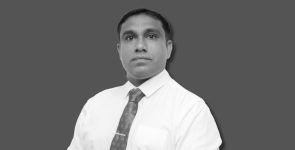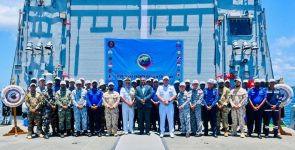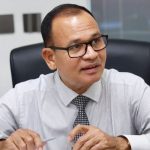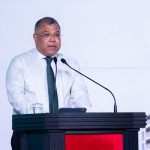

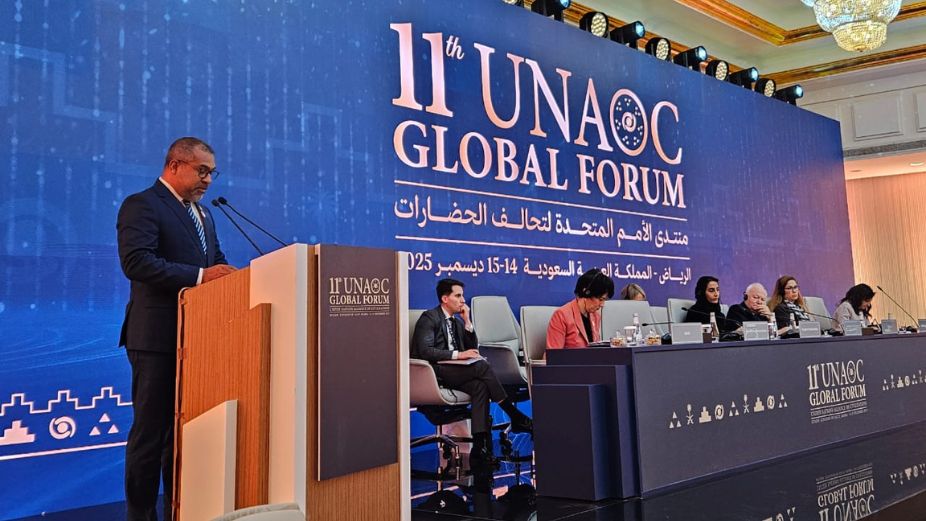

The Minister of Foreign Affairs, Dr Abdulla Khaleel, spoke yesterday at the 11th Global Forum of the United Nations Alliance of Civilisations, held in Riyadh, Saudi Arabia, where discussions centred on rising global polarisation and declining trust in multilateral cooperation.
The forum examined the underlying drivers of division between societies and cultures, the erosion of confidence in global governance, and the need for a practical programme of action to rebuild trust, foster understanding, and prevent new global divides from emerging.
In his intervention, Minister Dr Khaleel said that for countries such as the Maldives, dialogue is not simply a diplomatic practice but a form of resilience that is central to national identity, security, and continuity. He noted that climate-induced threats, including sea level rise, pose risks not only to physical territory but also to cultural heritage and social cohesion.
Minister Dr Khaleel also cautioned that the volatility of the digital sphere has become a new arena for misunderstanding, where hostility can be generated quickly and leave lasting impacts. He said these challenges require renewed attention to how societies communicate and engage with one another in an increasingly fragmented global environment.
Calling on the United Nations Alliance of Civilisations to invest in dialogue that is practical, inclusive, and grounded in human dignity, the Minister stressed that cooperation has become a matter of cultural survival for vulnerable nations. He urged partners to strengthen their collective ability to anticipate emerging divides, whether environmental, social, or digital, and to reaffirm shared responsibility to ensure diversity remains a source of stability rather than tension.
Established in 2005, the United Nations Alliance of Civilisations serves as a global platform to promote mutual respect among cultures, counter polarisation, and encourage inclusive dialogue. The Alliance currently comprises 161 members, including 131 UN Member States, one non-member state, and 29 international organisations representing societies and cultures from all regions of the world.