




The idea of a smooth transition to clean energy is increasingly difficult to sustain in a world shaped by conflict, supply shocks and rising costs. For the Maldives, that tension is not theoretical. It is already visible in the structure of the economy and the way external disruptions feed directly into domestic stability.
The country’s energy system remains heavily dependent on imported fuel, with diesel continuing to dominate electricity generation across islands. This dependence has long been recognised as a vulnerability, but recent global disruptions have made its implications more immediate. When fuel prices rise or supply chains tighten, the effects extend beyond electricity costs, influencing transport, food distribution and the broader cost of living.
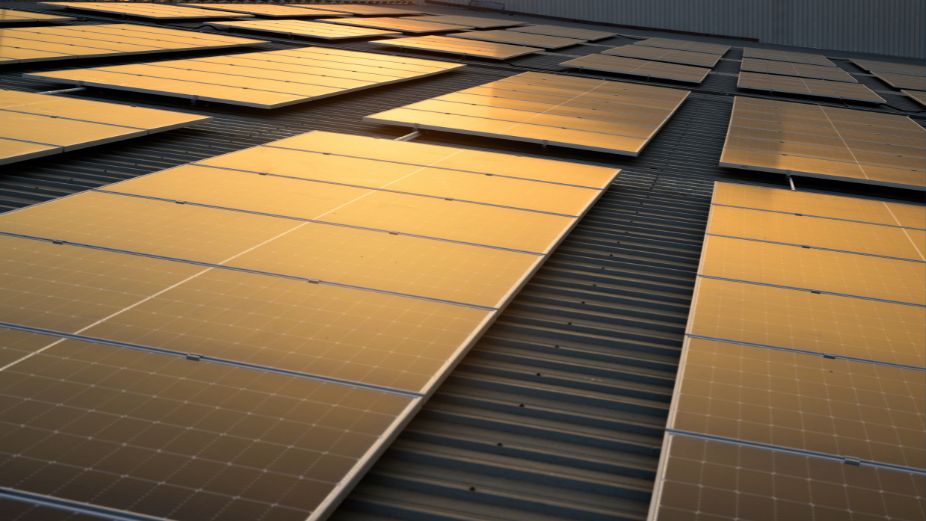
At the same time, electricity demand continues to grow alongside economic activity and population needs. Expanding renewable energy capacity has been positioned as both a climate objective and a means of reducing reliance on imports. Solar installations have increased in recent years, and additional capacity is planned. However, the scale of investment required remains significant, with financing needs running into hundreds of millions of dollars over the coming years.
This creates a structural challenge. Moving towards renewable energy requires upfront capital, system upgrades and new infrastructure, while the existing system continues to rely on imported fuel that must be paid for in foreign currency. In periods of external stress, such as the ongoing Middle East conflict, that dual pressure becomes more pronounced.
Recent economic indicators reflect this exposure. Higher import spending on fuel and related goods has contributed to pressures on the balance of payments, even as reserves have shown some resilience. The underlying dynamic remains unchanged: the Maldives is exposed to external price movements in a way that larger or resource-rich economies are not.
Policy responses have focused on maintaining stability in the short term. Authorities have sought to manage fuel price volatility and contain its impact on households and businesses. These measures provide immediate relief, but they also highlight the trade-offs involved. Resources used to cushion price shocks are resources that cannot be directed towards accelerating structural reforms.
The broader lesson is that energy transition, in the Maldives, cannot be treated solely as an environmental objective. It sits at the intersection of fiscal policy, external vulnerability and economic resilience. Reducing reliance on imported fuel is as much about managing long-term economic risk as it is about meeting climate commitments.
Progress will depend on more than setting targets. Expanding renewable capacity at scale requires consistent financing, improvements in grid infrastructure, and the ability to integrate variable energy sources across geographically dispersed islands. It also requires maintaining public and political support, particularly if transition costs begin to surface more directly.
What recent global developments have shown is that the transition is unlikely to follow a linear path. External shocks will continue to shape energy markets, and countries with structural vulnerabilities will face sharper trade-offs. For the Maldives, the question is not whether the transition is necessary, but whether it can be managed in a way that balances affordability, reliability and long-term sustainability.
The difficulty of that balance is becoming clearer. The longer dependence on imported fuel persists, the more exposed the economy remains to forces beyond its control. Yet accelerating the shift requires resources and coordination that are themselves constrained by those same pressures. That tension now sits at the centre of the Maldives’ energy policy challenge.