

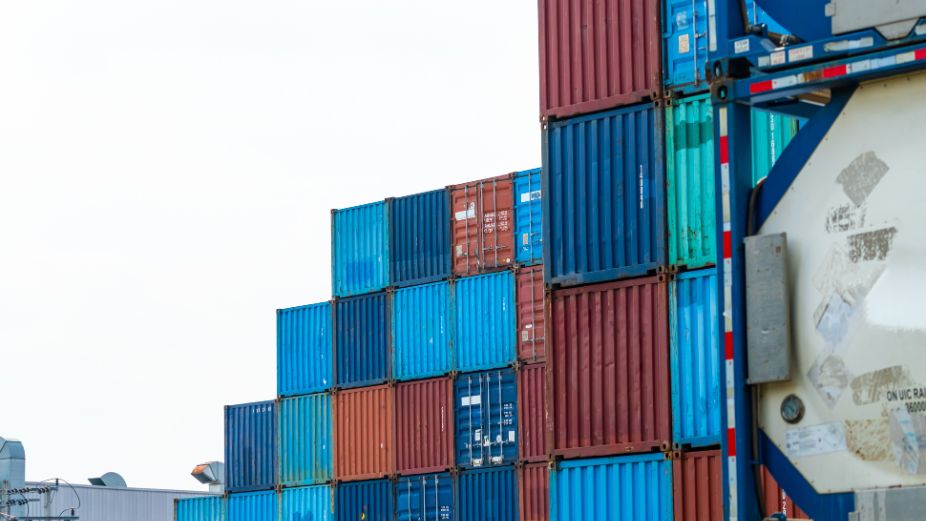


Maldives Ports Limited (MPL) has extended the demurrage-free storage period for non-containerised cargo at the Malé Commercial Harbour, a move that eases short-term cost pressures on importers and small businesses dependent on conventional shipping.
Under revised regulations approved by the MPL Board, goods stored in the port’s Open Storage Area can now remain for up to ten days without incurring demurrage charges. The previous allowance was five days. The change applies to non-containerised cargo unloaded at the harbour, with exclusions for perishable items and certain conventional goods that are prone to rapid spoilage.
The adjustment addresses a longstanding concern among importers who rely on open storage facilities, particularly small and medium enterprises that often face tighter cash flow constraints and higher exposure to logistical delays. By doubling the cost-free storage window, the policy reduces immediate clearance pressures and provides businesses with additional time to manage documentation and onward transport.
MPL described the measure as part of a broader effort to support the trading community amid challenging economic conditions. Port officials noted that import-dependent businesses stand to benefit most, as demurrage charges can quickly add to overall import costs.
The revised arrangement took effect from 1 February and will apply to cargo discharged from vessels arriving at the Malé Commercial Harbour.
The decision follows a consultation held in December 2025 between President Dr Mohamed Muizzu and representatives of the SME sector, where operational bottlenecks and clearance costs were raised as key concerns. In response, the government directed Maldives Airports Company Limited to extend the demurrage-free period for air cargo from 80 hours to 124 hours and instructed relevant agencies to shift goods clearance services to a 24-hour operational schedule.
Taken together, the measures signal a coordinated push to reduce friction in import and logistics processes, with a focus on easing operational constraints faced by smaller enterprises.