
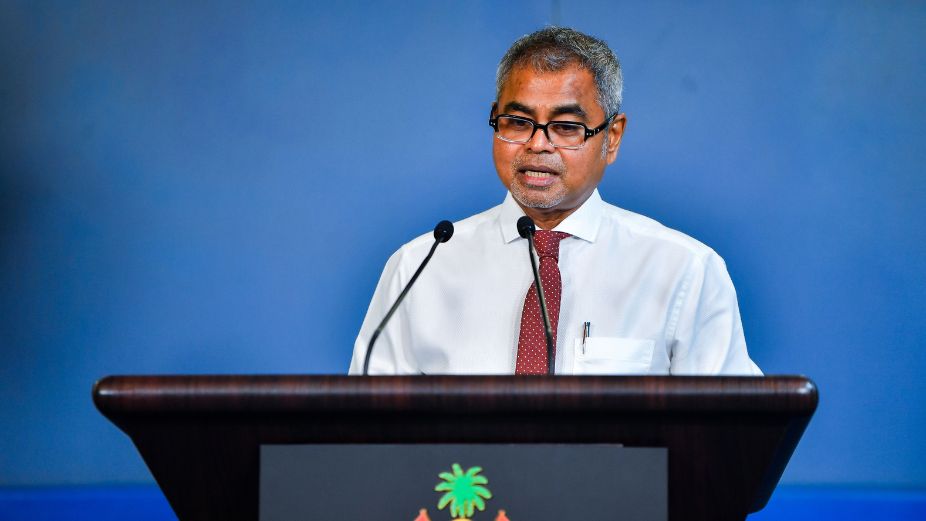



The government is preparing to introduce new visa categories aimed at extending the length of stay for visitors, as tourist arrivals decline following disruptions linked to the ongoing Middle East conflict.
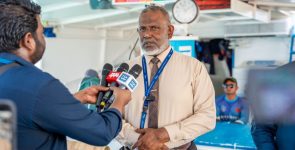
Tourism Minister Thoriq Ibrahim said the initiative forms part of a broader response to a drop in arrivals, with figures indicating a decline of around 21% since the start of the month. The downturn has been largely attributed to disruptions in transit routes, as many travellers to the Maldives typically pass through Middle Eastern airspace.
Authorities are working to make it easier for tourists to extend the existing 30-day on-arrival visa, while also developing two new visa categories. These include a remote working visa designed to attract individuals seeking longer stays while working, and a separate visa targeted at content creators.
The policy direction reflects an effort to diversify demand and support segments of the tourism industry that may be more affected by short-term declines in arrivals. Officials indicated that increasing the number of long-stay visitors, particularly remote workers, could help sustain occupancy levels in guesthouses and other smaller-scale accommodation providers.
Alongside visa changes, the government is exploring new tourism segments to broaden the country’s appeal. Plans are underway to introduce sports fishing and big game fishing, as well as expand offerings in technical and recreational diving. Spearfishing, which has been restricted for decades, is also expected to be permitted under regulated conditions.
Further measures under consideration include facilitating halal tourism, enabling the entry of charter superyachts, and easing access for research-related visits. These efforts form part of a wider strategy to reduce reliance on traditional travel patterns and attract a more varied visitor base.
The proposals are being developed by a special committee of ministers tasked with responding to the economic impact of the regional conflict, with a focus on sustaining tourism activity during a period of external uncertainty.