STO Launches Ramazan Bazaar 2026 with MVR 100,000 Grand Prize

STO General Trading has launched its Ramazan Bazaar 2026 promotion, offering discounts on household items and a chance for customers to win a cash prize of MVR 100,000. The annual promotion, organised ahead of the holy month of Ramadan, officially began following a ceremony held at STO People’s Choice on the night of 15 December 2025.

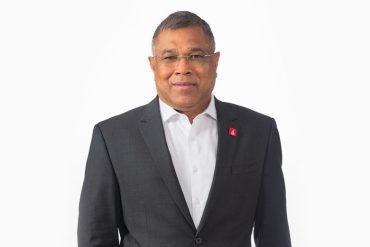
The launch event was attended by Chairman of the Housing Development Corporation and former Managing Director of STO, Ahmed Shaheer. STO said the Ramazan Bazaar forms part of its long standing practice of introducing special sales and promotions during Ramadan across its business segments.

The promotion will run until 18 March 2026 and will feature discounts of up to 50 percent on selected home appliances. STO said the offers are aimed at supporting households as they prepare for Ramadan by making essential items more affordable.

Customers who spend MVR 500 or more during the promotional period will receive a digital coupon. Each week, one customer from among those who receive coupons will be selected to win a gift hamper. At the end of the promotion, a lucky draw will be held, with one customer set to receive the grand prize of MVR 100,000 in cash.

The Ramazan Bazaar 2026 will take place at STO People’s Choice, the Villimale’ shop, and 11 regional outlets across the country. STO General Trading said the promotion continues to receive strong public support each year, reflecting demand for discounted household goods during the Ramadan period.

Vice President Highlights 60 Years of Maldives–UK Diplomatic Relations

Vice President Uz Hussain Mohamed Latheef has described the Maldives’ relationship with the United Kingdom as one built on mutual trust, long standing friendship, and a shared commitment to global peace and stability.

He made the remarks at an official reception hosted by the British High Commission in Malé to mark the birthday of His Majesty King Charles III. In his address, the Vice President conveyed greetings and best wishes to the King on behalf of President Dr Mohamed Muizzu.

The Vice President also referred to King Charles III’s interest in environmental protection, sustainable development, and the preservation of cultural heritage, noting that these priorities align closely with the Maldives’ own national interests. He said such values have encouraged international cooperation in addressing shared environmental concerns.

He noted that this year marks the 60th anniversary of diplomatic relations between the Maldives and the United Kingdom, describing the partnership as one that has continued to develop through regular high level engagement. He referred to recent interactions, including President Dr Muizzu’s visit to the United Kingdom, the President’s private audience with the King, and the Vice President’s meeting with His Majesty during the 27th Commonwealth Heads of Government Meeting last year.

The Vice President also expressed appreciation to the UK Government for handing over the original chairs used during the signing of the Maldives’ Independence Agreement in 1965, describing the gesture as symbolic of the historical ties between the two countries.

He concluded by reaffirming the Government’s intention to further strengthen cooperation with the United Kingdom in support of shared prosperity, security, and sustainable development.

China’s NPC Vice Chairman Pays Courtesy Call on President Muizzu

Vice Chairman of the Standing Committee of the 14th National People’s Congress of the People’s Republic of China, His Excellency Wang Dongming, paid a courtesy call on President Dr Mohamed Muizzu yesterday at the President’s Office.

During the meeting, President Dr Muizzu conveyed his appreciation to President Xi Jinping for China’s continued support, noting that Chinese assistance has contributed to the Maldives’ economic and social development. He reiterated the Government’s intention to further strengthen bilateral relations across a range of sectors, describing the partnership as one built on long standing ties and mutual trust. The President also referred to China’s role in supporting key development initiatives, including major infrastructure projects.

Discussions focused on advancing Maldives–China relations and identifying new areas of cooperation, while maintaining momentum in existing partnerships. Areas highlighted included housing and infrastructure development, fisheries and agriculture, tourism, connectivity, information technology, and trade. Both sides also reviewed the progress of projects linked to Memoranda of Understanding and agreements signed during President Dr Muizzu’s visits to China, expressing satisfaction with the pace of implementation.

Vice Chairman Wang Dongming noted the friendly relations between the two countries and said these ties had been further strengthened through high level exchanges. He stated that the delegation’s visit was aimed at deepening cooperation in ways that would benefit both countries and their peoples. He also reaffirmed China’s support for the Maldives’ development priorities and for the implementation of the comprehensive strategic partnership.

The meeting concluded with both sides reaffirming their commitment to strengthening Maldives–China relations and pursuing cooperation that delivers practical outcomes. Vice Chairman Wang was accompanied by a senior delegation from the National People’s Congress of China.

Villa College Online MBA Makes QS Rankings First for Maldives

Villa College’s Online MBA programme has been recognised in the QS Online MBA Rankings 2026, marking the first time a Maldivian institution has appeared in the global rankings for online business education. The programme is listed among 150 online MBAs worldwide, placing Villa College alongside established international business schools.

The ranking represents a significant moment for higher education in the Maldives, signalling that globally benchmarked business education can be delivered from within the country while remaining accessible to working professionals across the region.

Villa College recorded its strongest performance in the Class Experience indicator, where it was ranked first globally. This measure assesses the quality of the online learning environment, including access to course materials, live classes, technical support, learning platforms, and opportunities for interaction and consultation. The ranking is informed by feedback from tens of thousands of academics and employers worldwide.

The institution also ranked twelfth in the Asia-Pacific region for Faculty and Teaching. This category evaluates academic reputation, faculty to student ratios, and course completion rates. Villa College said the result reflects the strength of its academic staff, many of whom combine teaching with professional experience, allowing course content to be linked closely to real world business challenges.

Designed for working professionals, the Online MBA programme combines live online classes with interactive discussions, simulations, and mobile access to learning tools. Villa College noted that the structure allows students to balance studies with professional and personal commitments while applying learning directly to their workplaces.

The QS recognition also forms part of Villa College’s wider engagement with international benchmarking frameworks. The institution has previously participated in QS Star Ratings, receiving a five-star rating in areas including Online Learning, Environmental Impact, and Employability. Villa College has also been included in the Times Higher Education Impact Rankings 2025, where it scored above the global average across all assessed Sustainable Development Goals and ranked within the top 25 percent globally for several categories, including Quality Education and Gender Equality.

According to Villa College, the QS Online MBA ranking supports its long-term objective of offering internationally recognised qualifications that remain relevant to local and regional business contexts. The institution said it plans to continue strengthening global partnerships, industry alignment, and employability outcomes as part of further development of the programme.

Ooredoo Maldives Introduces New Roaming Data Add-Ons for Travellers

Ooredoo Maldives has launched a new range of roaming data add-ons for both prepaid and postpaid customers, expanding options for Maldivians travelling abroad. The new packs are available through the Ooredoo App and are intended to offer more flexible and predictable data usage while overseas.

The roaming data add-ons include day passes as well as two-week and four-week packs, covering a range of popular travel destinations. The new plans allow customers to select options that better match the length of their trips and their expected data needs, with transparent pricing and real-time usage tracking through the app.

For postpaid customers, roaming data add-ons are available across more than 35 countries. Packages range from a 1GB day pass priced at MVR 99 to a 5GB pack valid for four weeks priced at MVR 750. Other options include 2GB and 4GB packs with validity periods of up to four weeks, providing a wider set of choices depending on travel duration.

Prepaid customers can access roaming data add-ons in over 13 countries, including a 1GB day pass and a 2GB pack valid for two weeks. The company said these packs are designed for travellers who need connectivity for work, navigation, communication, and sharing updates while abroad.

All roaming data add-ons can be activated instantly through the Ooredoo App, allowing customers to arrange their data plans either before departure or upon arrival at their destination. Ooredoo Maldives said this approach is aimed at making it easier for both leisure and business travellers to stay connected while overseas.

Dharavandhoo Airport Terminal Expansion Moves Into Design Stage

Island Aviation Services Ltd has signed a consultancy agreement to begin design and advisory work for the expansion of the passenger terminal at Dharavandhoo Airport, marking the formal start of the project.

The agreement was signed with Epoch Associates Pvt. Ltd and covers both improvements to the existing terminal and the design of a new terminal extension. The work is intended to improve passenger flow, operational functionality, and the overall airport experience as traffic through the airport continues to grow.

Under the consultancy scope, the project will address capacity and layout requirements, including expanded arrival facilities, upgraded check in and baggage handling areas, reconfigured interior spaces, refreshed internal finishes, and the addition of new passenger amenities. The terminal extension is also planned to include a passenger lounge, additional departure gates, operational and support areas, baby care facilities, outdoor spaces, and landscaping.

Dharavandhoo Airport operates throughout the day and serves as a key gateway to Baa Atoll, supporting both tourism related travel and regular local movement. Passenger activity remains steady due to nearby resorts, guesthouses, and marine attractions, alongside daily travel by residents. Maldivian currently operates daily scheduled flights between Velana International Airport and Dharavandhoo, with further connectivity to Maafaru International Airport and other domestic destinations.

With sustained passenger numbers and increasing operational demands, the terminal expansion is aimed at enhancing capacity and improving passenger comfort while supporting more efficient airport operations. The project aligns with broader government efforts to upgrade airport infrastructure and reflects Island Aviation Services Ltd’s focus on meeting rising passenger and operational needs.

New Regulation Sets Out Requirements for Immigrant Workers and Employers

The Ministry for Homeland Security and Technology published the Regulation for Immigrant Workers in the Maldives today.

The regulation, formulated under the Employment Act, sets out the rights, obligations and conduct expected of immigrant workers while in the Maldives, along with the responsibilities of employers and other related policy matters.

This regulation takes effect from the date of its publication, although certain articles specify separate implementation dates. With this publication, the previous Regulation on the Employment of Expatriates in the Maldives is rendered void.

Use of the Expat System

Under the regulation, all communication related to permits and procedures for bringing immigrant workers to the Maldives must be carried out through the Expat system operated by the Ministry for Homeland Security and Technology. The system must be used in accordance with Appendix 1 of the regulation, which outlines procedures for registering immigrant workers and using the ministry’s system.

Only verified eFaas users may access the system. Representatives handling matters on behalf of employers or workers must be over 18 and of sound mind. Where a private citizen brings in an immigrant worker, the individual must be a Maldivian citizen.

Private citizens may register up to five immigrant workers under their name and appoint a maximum of two representatives. Representatives’ actions through the system will be considered actions of the employer, unless they exceed authorised permissions. In such cases, the ministry may refer the matter to the police.

Permits and Worksite Registration

The regulation states that employers are responsible for fulfilling all requirements before bringing immigrant workers to the Maldives. These include registering the worksite, obtaining a quota and securing a work permit.

Worksites may include businesses on inhabited or uninhabited islands, online or virtual business locations, marine vessels used for commercial purposes, and households. Foreign workers may not work at an unregistered or voided worksite.

If a worker changes location, the employer must inform the ministry. The ministry has the authority to inspect worksites, with or without prior notice, and may take legal action if false information is provided.

Quota and Work Permits

Employers must obtain a quota for immigrant workers through the Expat system. The regulation states that bringing workers into the Maldives without a quota, or transferring workers between businesses without informing the ministry, is illegal.

Quotas are issued under permanent or project categories. A fee of MVR 2,000 per worker is required for a 12-month period.

Each immigrant worker may hold only one work permit. For non-professional or unskilled categories, work permits may be issued for up to 10 years. The regulation lists multiple grounds for cancelling a work permit, including employer changes, violations of the regulation, court orders, prolonged absence from the Maldives, or incomplete or false documentation.

According to Article 26 of Appendix 2, which outlines the policy for issuing quotas for immigrant workers, quotas cannot be granted for certain categories of foreign workers. These include taxi drivers or other fare-collecting land vehicle drivers, co-pilots or first officers for airplanes, marine vessel captains, roles in photography, videography, or related fields, positions in the entertainment sector, and cashiers at establishments selling fruits, vegetables, and other food items, as specified under the Regulation on Business Activity in Selling Food Items.

The policy also establishes time limits for quotas in other categories. Quotas for hairdressers, beauticians, babysitters, personal trainers, electricians, guest relations officers (English), tour guides, accountants, and imams must be cancelled after two years. Quotas for divers, nurses, building inspectors, surveyors, site supervisors, pilots, and photographers must be cancelled after three years. Electrical engineers and dive instructors fall under a four-year limit, while housekeeping managers, human resources managers, front office managers, and primary and secondary teachers have a five-year limit. Quotas issued under these categories must be cancelled once the specified time periods are reached.

Additional Provisions

The regulation also includes chapters on security deposits, employer responsibilities towards immigrant workers, enforcement actions, inspection and monitoring, and determining the number of immigrant workers and permitted work areas.

Ten appendices accompany the regulation, covering policies on worksite registration, quota allocation and fees, work permits, security deposits, accommodation standards, and procedures for cases involving absconding or illegal activities by immigrant workers.

Maldives Reaffirms Commitment to OACPS at Brussels Meeting

The Ambassador of the Republic of Maldives to the Kingdom of Belgium, Geela Ali, represented the Minister of Foreign Affairs, Dr Abdulla Khaleel, at the 120th session of the Council of Ministers of the Organization of African, Caribbean and Pacific States, held in Brussels from 12 to 14 December 2025.

The meeting brought together ministers and senior representatives from member states to review the work of the organisation and discuss cooperation priorities among African, Caribbean and Pacific countries.

During the session, Ambassador Geela acknowledged the progress achieved under the leadership of OACPS Secretary General Moussa Salef-Batraki, particularly in relation to restructuring the organisation’s secretariat, advancing trade-related initiatives, and promoting sustainable development across member states.

She also reaffirmed the Maldives’ commitment to strengthening its engagement with the organisation and supporting efforts aimed at ensuring inclusive and sustainable development for all member states.

The Organization of African, Caribbean and Pacific States was established in 1975 under the Georgetown Agreement and serves as a platform for cooperation among its members and with partners, including the European Union. The Maldives became a full member of the OACPS on 9 December 2022 and has since been working alongside other members to address shared global challenges.

Why the December Data Points Away from a 2.3 Million Finish

With just over two weeks remaining in the year, the Maldives faces a narrowing window to reach the government’s target of 2.3 million tourist arrivals, based on the latest data released by the Ministry of Tourism and Environment.

As of 13 December, total arrivals for 2025 stood at 2,106,122. This leaves a shortfall of approximately 193,900 visitors to meet the 2.3 million target before year-end. The arithmetic now places December at the centre of the debate over whether the goal remains realistic.

During the first 13 days of December, the Maldives recorded 84,061 arrivals, averaging around 6,460 tourists per day. While this represents a 12.6 percent increase compared to the same period last year, the pace falls well below what would be required to close the remaining gap.

To reach 2.3 million arrivals, the Maldives would need to attract nearly 194,000 visitors over the remaining 18 days of December. That would require average daily arrivals of roughly 10,800 tourists, significantly higher than both the current December average and the daily averages seen throughout most of 2025.

For context, the overall daily average for arrivals this year stands at just over 6,000 visitors. Even during stronger months such as January and February, daily inflows did not approach the level now required to meet the year-end target. This suggests that, barring an unusually sharp surge in arrivals during the final weeks of December, the numbers may fall short.

December is traditionally one of the strongest months for Maldivian tourism, driven by winter travel from Europe and holiday-season demand. However, the partial data so far does not indicate a spike of the magnitude needed. While last-minute bookings and festive travel could still lift figures, the gap between current trends and the required pace remains wide.

This does not diminish the broader performance of the tourism sector in 2025. Arrivals are already more than 10 percent higher than last year, and the Maldives has surpassed the 2.1 million mark earlier than in previous years. The question now is less about growth, and more about whether headline targets were set with sufficient regard to capacity, seasonality, and realistic daily throughput.

As December progresses, the final outcome will become clearer. For now, the numbers suggest that while 2025 will close as a strong year for tourism, the 2.3 million target may prove difficult to reach unless arrival patterns shift sharply in the days ahead.

Foreign Minister Calls for Dialogue as a Form of Resilience at UN Alliance of Civilisations Forum

The Minister of Foreign Affairs, Dr Abdulla Khaleel, spoke yesterday at the 11th Global Forum of the United Nations Alliance of Civilisations, held in Riyadh, Saudi Arabia, where discussions centred on rising global polarisation and declining trust in multilateral cooperation.

The forum examined the underlying drivers of division between societies and cultures, the erosion of confidence in global governance, and the need for a practical programme of action to rebuild trust, foster understanding, and prevent new global divides from emerging.

In his intervention, Minister Dr Khaleel said that for countries such as the Maldives, dialogue is not simply a diplomatic practice but a form of resilience that is central to national identity, security, and continuity. He noted that climate-induced threats, including sea level rise, pose risks not only to physical territory but also to cultural heritage and social cohesion.

Minister Dr Khaleel also cautioned that the volatility of the digital sphere has become a new arena for misunderstanding, where hostility can be generated quickly and leave lasting impacts. He said these challenges require renewed attention to how societies communicate and engage with one another in an increasingly fragmented global environment.

Calling on the United Nations Alliance of Civilisations to invest in dialogue that is practical, inclusive, and grounded in human dignity, the Minister stressed that cooperation has become a matter of cultural survival for vulnerable nations. He urged partners to strengthen their collective ability to anticipate emerging divides, whether environmental, social, or digital, and to reaffirm shared responsibility to ensure diversity remains a source of stability rather than tension.

Established in 2005, the United Nations Alliance of Civilisations serves as a global platform to promote mutual respect among cultures, counter polarisation, and encourage inclusive dialogue. The Alliance currently comprises 161 members, including 131 UN Member States, one non-member state, and 29 international organisations representing societies and cultures from all regions of the world.

Discover Airlines Resumes Frankfurt–Malé Flights with Two Weekly Services

Discover Airlines has officially resumed flights between Frankfurt, Germany and Velana International Airport, restoring a direct air link between the Maldives and one of its key European markets.

The inaugural flight was marked with a ceremony at Velana International Airport, coinciding with the opening of Discover Airlines’ check-in counters at the airport’s new passenger terminal. The airline will operate two weekly flights on the Frankfurt–Malé route.

Services will be handled from Velana International Airport’s recently opened terminal, which has been receiving a growing number of international carriers. Airport authorities have positioned the new facility as a central part of efforts to improve passenger handling capacity and accommodate rising traffic.

The return of Discover Airlines is expected to support tourism flows from Europe, with Germany remaining an important source market for the Maldives. Europe continues to account for a substantial share of arrivals, while the United Kingdom currently ranks as the third-largest source market, with 181,300 visitors recorded so far this year.

As more airlines shift operations to the new terminal, the Maldives is seeking to improve connectivity and reinforce its appeal to long-haul travellers from major international markets.

Visit Maldives Expands 2026 Membership Options to Support Tourism SMEs

Visit Maldives Corporation has announced a series of changes to its membership framework for 2026, aimed at increasing participation from small and medium-sized enterprises across the tourism sector, including guesthouses, liveaboards, and travel agencies.

Under the revised approach, Visit Maldives will introduce more accessible and lower-priced membership options, allowing a wider range of tourism operators to join its destination marketing network. The changes are intended to broaden representation across the sector and enable smaller businesses to take part in international promotion efforts alongside larger operators.

The corporation also plans to reduce participation fees for roadshows and other promotional activities. In addition, SMEs will be offered flexible non-physical participation options, such as digital showcases, representation services, and shared lead-generation support. These options are designed to allow businesses to engage with overseas markets without the need for international travel.

As part of the 2026 measures, Visit Maldives will facilitate content trips and expand content-sharing initiatives. This will allow resorts and guesthouses to access professional marketing assets, while also contributing to the destination’s wider content library.

Commenting on the initiative, Visit Maldives Corporation Chief Executive Officer and Managing Director Ibrahim Shiuree said the measures are intended to improve visibility and inclusion for smaller operators across all atolls, with the support of local non-governmental organisations.

Visit Maldives said the updated membership structure forms part of its broader efforts to promote a more inclusive tourism ecosystem and aligns with national initiatives aimed at widening economic participation within the sector.

Nearly Half of Hulhumale’ Phase III Land Reclaimed, MACL Says

Reclamation works on Hulhumale’ Phase III have reached nearly the halfway mark, according to an update shared by Maldives Airports Company Limited.

The land reclamation project, which began in September 2023 under the Binveriya housing programme of the previous administration, involves the reclamation of 63 hectares. Sri Lankan-based Capital Marine and Civil Construction Company Private Limited was contracted to carry out the works. Prior to a temporary halt in the project, 23 hectares had been reclaimed.

The works resumed on November 10, with two 22,000 cubic metre dredgers, Prins der Nederlanden and Oranje, currently operating at the site. Maldives Airports Company Limited said progress has continued steadily since the restart.

As of the latest update, a total of 31 hectares has been reclaimed, bringing overall progress to 49.2 percent of the planned reclamation area.

Capital Marine and Civil Construction Company has indicated that dredging works at both Hulhumale’ Phase III and Giraavaru Falhu are expected to be completed within the next three months. Once reclamation at Hulhumale’ Phase III is completed, the dredgers are scheduled to be relocated to Giraavaru Falhu to continue works there.

Fisheries Initiatives Launched as Maldives Marks 45th National Fishermen’s Day

A series of new initiatives aimed at supporting fishermen and improving fisheries infrastructure were announced yesterday as the Maldives marked its 45th National Fishermen’s Day, with national-level celebrations held in R. Dhuvaafaru.

The main event saw the launch of several programmes focused on access to services, digital tools, and processing capacity within the fisheries sector. Among the key developments was the signing of an agreement to establish a fish purchasing facility in Kan’dholhudhoo, which will include cold storage and a specialised facility for grouper.

Several digital platforms were also introduced. These included a new module on the Keyolhu application to allow fishermen to check the availability of ice at ice plants, the Bank of Maldives Masveriyaa Portal, the From Maldives website, and the Maldives Industrial Fisheries Company’s Mas Kiraa application. A sustainable livebait fishery management plan was also launched as part of the programme.

Addressing the event, President Dr Mohamed Muizzu said the administration aims to reposition fisheries as a central pillar of the Maldivian economy, noting its role in the country’s identity and livelihoods. He outlined a range of measures intended to address challenges faced by fishermen, particularly around pricing, access to inputs, and infrastructure.

Among the changes announced was a revision to MIFCO’s purchasing policy, with the minimum quantity of fish to be bought reduced from 1.5 kilograms to one kilogram, at the maximum market rate. The President also stated that MIFCO would sell fuel to fishermen at an average of 51 laari below prevailing market prices.

On infrastructure, the administration plans to expand cold storage capacity and open an additional 200 loan opportunities for Refrigerated Sea Water systems. The President said preparatory work to establish fisheries processing facilities across the country would begin shortly. He also noted that fuel skid facilities are being rolled out nationwide, with all expected to be operational by the end of March.

Fish pricing was identified as a key concern within the sector. In response, the President said MIFCO would expand its operations to include the purchase of yellowfin tuna, subject to progress at its Hulhumalé facility.

The address also touched on employment in the fisheries sector, with an emphasis on increasing participation by Maldivians and encouraging training and employment of young people. The President said national-level recognition would be introduced for individuals and organisations contributing to this effort.

The event concluded with the presentation of awards to individuals, companies, fishing vessels, and fishermen recognised for their contributions to the fisheries industry during 2023 and 2024. A range of related activities, including a Fishermen’s Forum, were held on Dhuvaafaru to mark the occasion.

Fuel Skid Initiative Launched to Reduce Fuel Costs for Fishermen

A new fuel skid designed to provide fuel at reduced prices for fishermen has been launched in Dhuvaafaru, North Maalhosmadulu, as part of broader efforts to ease cost pressures in the fisheries sector.

The facility was inaugurated during President Dr Mohamed Muizzu’s visit to the island to mark this year’s Fishermen’s Day. The initiative follows consultations with fishermen, where fuel availability and affordability were highlighted as persistent challenges affecting fishing operations.

The fuel skid in Dhuvaafaru is the first under a nationwide plan to expand access to more affordable fuel for fishing communities. Similar facilities are planned across different regions of the Maldives to address long standing supply and pricing issues, particularly in outer atolls.

The project has been assigned to the State Trading Organisation, which will oversee the establishment and operation of the facilities. Under the initiative, a total of 18 fuel skids are to be installed nationwide, with STO stating that all facilities are expected to be operational by the end of March 2026.

Officials said the initiative is intended to support fishermen by reducing operational costs and improving access to fuel, a key input for the sector. During the visit, the President and the First Lady also attended ceremonies marking the launch and completion of several development projects on the island, accompanied by Cabinet Ministers and senior officials.

New Agreements Target Chinese Markets and Brand Protection for Maldivian Fisheries

The Maldives Fisheries and Ocean Resources Marketing and Promotion Corporation has entered into a strategic agreement with China’s Hainan International Economic and Trade Corporation Limited to widen market access for Maldivian fishery products.

The agreement was signed by the corporation’s Managing Director Dr Mohamed Ibrahim and Hainan International Economic and Trade Corporation General Manager Patricia Wang Meihong. The partnership aims to facilitate access to multiple Chinese cities, strengthening the presence of Maldivian fishery exports in one of the world’s largest consumer markets.

Corporation Chairman Ahmed Sharif said the collaboration with a locally based Chinese entity was a practical step to address language barriers and operational challenges, particularly in markets where English is not widely used. Representatives from the Hainan delegation said the initiative reflects a broader effort to diversify Maldives China relations beyond tourism, with an emphasis on introducing and developing Maldivian brands for Chinese consumers.

Alongside the international agreement, the corporation has also signed a domestic partnership with the Dhiggaru Marketing Corporation to support the standardisation and promotion of artisanal fish products. The agreement was signed by Dr Ibrahim and Dhiggaru Marketing Corporation Vice Chairperson Ismail Mahid.

The initiative is aimed at curbing the circulation of counterfeit products, including items falsely marketed as Dhiggaru Rihaakuru, a traditional Maldivian concentrated fish paste. Dhiggaru Council President Ahmed Nishan said establishing a verified brand identity is necessary to address economic losses faced by local producers due to imitation goods.

Officials said the Dhiggaru initiative is expected to serve as a reference point for similar collaborations with other island councils, supporting stronger market access and recognition for locally produced fishery products.

HDC Awards Hulhumalé Road Development Project to Chinese Firm for MVR 91.8 Million

Housing Development Corporation (HDC) has awarded a road development project in Hulhumalé to China’s Rotime Engineering and Technology for MVR 91.8 million, following the execution of an agreement earlier this month.

The agreement was signed on December 3 by HDC Managing Director Ali Zuhair and Rotime Managing Director Zhou Weidong. According to HDC, the project was awarded as part of a settlement arrangement linked to an earlier contract granted to the company.

In a statement issued on Friday, HDC said the road development project replaces the temporary workers’ accommodation project in Hulhumalé that had been awarded to Rotime in October 2022. The accommodation block had been planned to support the construction of an international sports stadium, a project that has since been halted following revisions to the Hulhumalé masterplan.

HDC said the revised arrangement was reached through a settlement agreement, resulting in Rotime being contracted to undertake road works instead. Under the project, the company will develop 19,001 square metres of asphalt roads built to modern standards. This includes five roads in Phase I and the road near the Vinares flats in Phase II.

In addition, Rotime will carry out repairs on 8,012 square metres of damaged roads across both Phase I and Phase II. Construction will begin in Phase I and move to Phase II after the initial works are completed.

The total project value of MVR 91.8 million includes Goods and Services Tax. HDC said 50 percent of the cost will be allocated in the first year in a way that avoids pressure on cash flow, while the remaining 50 percent will be paid from 2027 over a six year period.

Maldivian Announces Special Jeddah Flights for School Holiday Umrah Travel

Maldivian has announced special non stop flights between Malé and Jeddah during the upcoming school holiday period, offering an additional travel option for Maldivians planning to perform Umrah.

According to the airline, three outbound flights will operate from Malé to Jeddah on 27 and 28 December 2025, with three return flights scheduled from Jeddah to Malé on 10, 11 and 12 January 2026. The schedule is designed to align with school holidays, allowing families adequate time to complete Umrah arrangements while travelling during a period that is more convenient for students and working parents.

Return fares for the special flights start from USD 750 and include a baggage allowance of 45 kg. Maldivian said the higher allowance is intended to support travellers with additional luggage needs, including permitted items such as Zamzam water on the return journey.

All flights will be operated using Maldivian’s A330 aircraft, which the airline said offers a spacious and comfortable travel experience suited for long haul journeys, families, and elderly passengers.

The flight schedule and booking details were outlined in the announcement, with travellers encouraged to secure their bookings before 20 December to ensure availability on preferred dates.

Dhiraagu Adds Barceló Nasandhura Malé to Elite Club Partner Network

Dhiraagu has welcomed Barceló Nasandhura Malé as a new Elite Club partner, expanding the range of lifestyle benefits available to members of its customer loyalty programme. The partnership was formalised at an official signing ceremony held at the hotel.

Under the agreement, Elite Club members holding Gold and Platinum cards will receive exclusive discounts across the hotel’s dining outlets. Dhiraagu said the addition of Barceló Nasandhura Malé enhances the premium offerings available through the programme and aligns with its focus on providing added value to loyal customers.

Speaking at the ceremony, Dhiraagu’s Director of Brand and Marketing Communications, Mirshan Hassan, said the partnership reflects the company’s ongoing efforts to strengthen Elite Club with high-end, exclusive benefits. He added that Dhiraagu looks forward to working with the hotel to deliver memorable experiences for its customers.

Deputy General Manager of Barceló Nasandhura Malé, Enric Reina, said the hotel was pleased to join Dhiraagu’s Elite Club programme and to welcome its customers. He noted that the partnership offers Elite Club members access to the hotel’s dining experiences alongside its hospitality offering.

Located in the heart of Malé, Barceló Nasandhura Malé is the capital’s only five-star hotel. It features three dining venues, including Oivaru Restaurant, known for its themed buffet nights, the rooftop venue B Heaven, and Alimas Café, which offers coffee, light snacks, and desserts.

Dhiraagu said its Elite Club programme is designed to recognise and reward customers through lifestyle privileges and partner benefits, supporting long-term relationships and customer engagement.

The Second Engine of Maldives’ Economy Is Stuttering. Can Fisheries Be Fixed in Time?

When yellowfin vessels gathered off Malé on Fishermen’s Day 2025, the scene had a familiar tension. Crews carried banners with the slogan “Dhenneh nu fureyne, dhenneh nu vaane”, and the Coast Guard positioned itself at the edge of the lagoon. The protest was rooted in three long running complaints: the lack of a state buyer for yellowfin, the call for a floor price between MVR 80 and MVR 100 per kilo, and concerns about fuel and ice costs. These points have surfaced repeatedly over the past two years, but the decision to demonstrate on Fishermen’s Day gave them a sharper political edge.

Although fisheries makes up a relatively modest share of GDP in official statistics, it remains central to exports, rural livelihoods and national identity. When fishermen choose to anchor their vessels outside Malé rather than go to sea, it signals a deeper unease within a sector that feels its concerns have not been settled.

What the administration says it has done so far

Since taking office in late 2023, the Muizzu administration has framed its fisheries policy around solving legacy issues and stabilising cash flow. Government statements throughout 2024 indicated that the arrears accumulated before the change of administration had been cleared. Officials described the backlog as significant, running into the hundreds of millions of rufiyaa, and said that disbursements had been made to fishermen. Recorded statements from the Ministry of Fisheries and MIFCO pointed to several rounds of payments that were processed within days of fish being weighed.

By early 2025, the government said that more than USD 24.9 million had been paid out under a 48 hour payment policy. Fishermen who sell to MIFCO generally agree that payments have been faster than during the years of arrears, although some have highlighted occasional delays linked to administrative processes. The broader point, however, is that the administration has staked a central part of its fisheries narrative on restoring confidence in timely payments.

In parallel, the government has spoken of strengthening MIFCO’s commercial footing. The Fisheries Minister publicly stated that he aims for MIFCO to operate without subsidies within three years, though this remains an aspiration rather than a confirmed policy pathway. There have also been references to digitising fisheries transactions and moving toward systems that track catches and payments more efficiently.

From the government’s side, these steps are described as improvements that should ease long standing frustrations. From the fishermen’s side, they are acknowledged but seen as only part of the wider picture.

Why the sector still feels under strain

Fishermen who joined this year’s protest were largely reacting to manifesto pledges they believe have stalled. Among these, the most discussed is the commitment to a state backed yellowfin purchase at a floor price. While the President did speak during the campaign about a minimum price in the range of MVR 80 to MVR 100 per kilo, this has not materialised in practice. Private processors have consistently argued that entering the yellowfin market at such a price would be financially unworkable and would distort competition. Fishermen who rely on yellowfin say that without a floor price, their income is too vulnerable to market fluctuations.

There have also been periodic concerns about fuel and ice availability. Rising operating costs mean that even a good catch can become unprofitable if input prices swing unpredictably. Fishermen say that access to fuel at base rate, which they understood to be part of the government’s direction, is still not consistent across islands. The government, for its part, has pointed to global price volatility and the fiscal implications of extensive support measures.

Another layer of tension comes from the state of the overall sector. Provisional national accounts released over the past year suggest that fisheries output has varied sharply, with some quarters showing contractions compared with previous years. Analysts note that factors such as shifting tuna stocks, reduced skipjack catch in certain seasons and global price movements have contributed. These fluctuations are reflected in fishermen’s earnings and have amplified calls for more predictable support mechanisms.

All of this sits on top of a long standing debate about MIFCO’s role. Fishermen often see MIFCO as the stabilising institution that should provide guaranteed purchasing, while private operators worry about the competitive implications of a state backed business entering markets where margins are already tight. The administration has not yet laid out detailed parameters that clarify how these roles will be balanced.

How other island states handle similar pressures

Looking across small island developing states provides useful context. None of these countries has found a perfect formula, but many have introduced structures that make their fisheries systems more predictable for both fishers and processors.

Seychelles has developed written harvest strategies and tuna management plans that incorporate regular stock assessments and formal consultation with small scale fishing groups. These documents are updated as new evidence emerges and create clearer expectations for all parties involved.

Mauritius has used targeted social protection tools to help fishermen manage volatility. These include bad weather allowances for registered fishers and compensation schemes when lagoons are closed or catches fall. The country also encourages shifts toward offshore species supported by fish aggregating devices. Its Fisheries Act includes explicit protections for small scale fishers and requires their participation in management decisions.

In the Pacific, several island nations coordinate through regional bodies to manage access to their tuna stocks. By setting collective conditions for distant water fleets, these countries secure predictable revenue streams through access fees. While the Maldives does not host the same level of distant water activity within its waters, the idea of coordinated, rules based management remains relevant.

The broader lesson is that the stability of a fisheries sector usually depends on transparent rules, defined responsibilities and predictable support mechanisms rather than ad hoc interventions.

What a workable agenda could look like

If the Maldives were to move toward a more predictable fisheries framework, several elements stand out from both local experience and international examples.

First is clarity on MIFCO’s role. Whether it is meant to function primarily as a buyer of last resort or as a commercial competitor has major implications for prices, private investment and long term fiscal exposure. A clear definition would reduce speculation and help fishermen and processors plan for the future.

Second is predictable pricing. A rules based formula for determining minimum purchase prices, linked to international market benchmarks and domestic cost indicators, would allow fishermen to anticipate income more reliably. This does not eliminate the challenges of fluctuating catch, but it reduces the uncertainty that currently drives protests.

Third is shared risk. Ensuring that all licensed buyers, not only MIFCO, adhere to strict payment timelines would shift credit risk upward in the value chain. Larger firms and financial institutions are better equipped to manage that risk than individual crews operating on thin margins.

Fourth is resilience planning. Given climate related pressures on tuna stocks, Maldives could consider a fisheries resilience fund supported by levies during strong export years. Such a fund could provide targeted assistance during seasons of low catch or high operating costs.

Finally, there is governance. The fishermen’s union has demonstrated repeatedly that it can mobilise fleets. Giving that organisation a formal seat in fisheries management would align with models seen in Seychelles and Mauritius and could reduce the need for confrontation-led communication.

The Fishermen’s Day protest did not emerge out of a single broken pledge. It reflects accumulated frustrations about incomes, purchasing arrangements, costs and the lack of clear long term direction. The government maintains that it has stabilised payments and laid the groundwork for reform. Fishermen accept some of those improvements but say the core uncertainties remain.

A sector as important as fisheries cannot be managed through statements and short term fixes. It needs a framework that considers the interests of fishermen, processors and the state, and that holds steady even when catch volumes fluctuate or global prices shift. The question after this year’s protest is whether the Maldives is ready to build that kind of long term architecture.

China Extends Financial Aid for Recovery Efforts Following Ministry Fire in Malé

China has extended USD 2.8 million in financial assistance to the Maldives to help restore government operations following the December 2024 fire that destroyed the offices of three ministries in Malé.

The fire, which broke out on 12 December last year, engulfed the building opposite Dhivehi Raajjeyge Adu, leaving severe structural damage to the Ministry of Construction, Housing and Infrastructure. The neighbouring Green Building, which previously housed the Ministry of Climate Change and Environment and the Environmental Protection Agency, was also rendered unusable. Since then, the affected agencies have been operating temporarily from the Dharubaaruge convention centre.

At a handover ceremony held in Malé, Chinese Ambassador Kong Xianhua presented the financial assistance to Minister of Finance and Planning Moosa Zameer. The funds will be used to procure office furniture and essential equipment needed for the ministries to resume full operations.

Minister Zameer noted that the support would significantly accelerate recovery efforts, adding that the contribution reflects the strength of the Maldives–China partnership. He pointed to recent high-level engagements, including President Dr Mohamed Muizzu’s discussions with President Xi Jinping, as having further strengthened trust and expanded opportunities for cooperation between the two countries.

Dhiraagu Dedicates December 2025 Calendar Spread to Maldivian Fishing Heritage

Dhiraagu has dedicated the December month of its 2025 calendar to Maldivian fishing, paying tribute to one of the most enduring pillars of the nation’s identity. The calendar theme highlights the deep cultural connection between Maldivians and the ocean, and is accompanied by a special video honouring the country’s fishing traditions.

The video celebrates the skill and resilience of Dhivehi ancestors who crafted their own vessels and mastered pole-and-line fishing, a technique now internationally recognised for sustainability. It also showcases the range of fish species traditionally caught in Maldivian waters, reinforcing how fishing has long shaped livelihoods, culture, and community life.

Dhiraagu’s 2025 calendar, titled Minivankan Mathee Abadhah (Forever Independent), marks 60 years of Maldivian independence. Each month features a different national symbol reflecting the country’s culture and heritage, with December spotlighting fishing as a source of unity, pride, and continuity.

The company states that the calendar is part of its ongoing efforts to revive Dhivehi traditions and share knowledge of the history that continues to shape the Maldives’ national identity.

Revenue Rises Above Forecast as Tourism and Recovery Efforts Lift Collections

Revenue collection for November 2025 reached MVR 2.20 billion, marking one of the strongest monthly performances this year and reflecting a combination of higher tourist arrivals, revised tax rates, and improved recovery efforts by the Maldives Inland Revenue Authority (MIRA). The latest figures show a 16.6 percent increase compared to November 2024 and a 6.7 percent rise above projections, according to MIRA’s monthly bulletin.

Much of the growth stems from tourism-linked taxes. GST alone accounted for 59.1 percent of total revenue, while Green Tax, the Airport Development Fee, and Departure Tax together contributed another significant share of the month’s inflows. Tourism Sector GST remained the single largest contributor to USD revenue at 56.1 percent, underscoring the sector’s outsized importance to dollar earnings.

The momentum is tied to a 10.3 percent rise in tourist arrivals in October 2025, which is reflected in November’s tax performance. Higher Green Tax rates introduced in January and revised airport fees implemented at the end of last year also pushed collections upward. As a result, November’s revenue mix tells a familiar story: sustained reliance on tourism continues to anchor government finances, especially in foreign currency.

MIRA’s report also highlights the role of non-tax initiatives. Nearly 20 percent of revenue came from payments past deadline, while a further 21 percent was secured through targeted recovery efforts. Additionally, non-projected codes, particularly land acquisition and conversion fees, contributed more than expected, helping lift overall figures.

Compared with the past four years, November 2025 stands out clearly. The chart of monthly collections from 2021 to 2025 shows a steady rise, with this year surpassing both 2023 and 2024 by a wide margin. Total tax revenues alone reached MVR 1.79 billion, while non-tax revenues amounted to MVR 409.9 million, together forming the month’s MVR 2.20 billion total.

While the topline numbers are strong, the underlying pattern remains unchanged: the state’s revenue base continues to be heavily shaped by tourism and by the volatility of arrivals. The gains in Green Tax and airport-related charges demonstrate how shifts in policy and pricing can quickly influence monthly outcomes. At the same time, the significant portion of revenue derived from past-due payments and special recovery efforts reflects ongoing structural weaknesses in compliance and collection cycles.

For policymakers, November provides both reassurance and caution. The surge shows that tourism-led revenue mechanisms remain effective, but the dependence on a single sector, coupled with the need for continuous recovery drives, raises broader questions about the resilience and diversification of state income. As the financial year nears its end, the government’s ability to sustain these levels will hinge on continued visitor growth and the stability of global travel trends.

Fishermen Continue Protest, Citing Unmet Promises and Unsold Catch

Photo: BKMU

A large-scale protest by yellowfin tuna fishermen has taken shape outside Malé, reflecting months of growing frustration within the industry over unsold catch, fuel costs, and unfulfilled commitments. What began on Wednesday morning as a coordinated gathering of 49 vessels at the Hulhumalé Kanneli Jetty has now become a maritime standoff, with boats anchored just outside the capital’s main channel after being blocked by the MNDF Coast Guard.

The fishermen say their message has remained consistent: they want the government, through MIFCO, to resume buying their tuna, or to engage in meaningful dialogue to identify workable alternatives. Until then, they insist the protest will continue.

Their vessels sailed toward Malé carrying banners under the slogan “Dhenneh nu fureyne, dhenneh nu vaane” (will not sail, not again). The Coast Guard stopped the fleet before it could enter the lagoon, and the boats have since remained anchored with lights on, forming an unusual line of idle hulls just beyond the city’s edge.

For many fishermen, this moment represents the culmination of unresolved issues that have been raised for more than two years. Mauroof Zakir, the Kendhoo MP from the MDP and a senior official in the fishermen’s union, says the current situation is the result of repeated delays and unmet promises. According to him, preparations for this protest began mid-year after it became clear that concerns raised by big yellowfin tuna fishermen were not being acted upon.

Mauroof argues that the government can take immediate steps using existing infrastructure, particularly by utilising MIFCO’s storage and packing facilities at Kanduohgiri. He maintains that the demands are not unrealistic, nor are fishermen seeking subsidies or handouts. Instead, he says they simply want a system that ensures their catch is purchased and marketed so they can continue working.

The union has outlined three longstanding pledges that remain unaddressed: MIFCO buying large fish, setting a minimum price of MVR 80 to 100 per kilo for yellowfin tuna, and ensuring fuel is supplied at the base rate while improving access to ice. These issues, they say, have been repeatedly raised in meetings and letters without concrete results.

In his response, Fisheries Minister Ahmed Shiyam announced that practical work on a new tuna processing facility in Hulhumalé is scheduled to begin in January. He also pointed to fuel cost reductions, noting that STO has been instructed to provide fuel at the base rate in the Malé area, a request fishermen have made since last year. According to the Minister, similar arrangements will be available across at least one island in every atoll by the end of March.

Despite these announcements, Mauroof remains sceptical, stating that fishermen no longer believe the sector is on the verge of receiving the support the government repeatedly promises. He says deteriorating conditions, unsold catch, and rising financial pressure have forced fishermen to take collective action. The presence of expatriate crew members on board has also drawn tension, with the union accusing police of threatening arrests to deter participation. Mauroof notes that many expatriates live and work on the boats and accompany them by default, describing the warnings as an intimidation tactic rather than a legitimate legal concern.

Fishing remains one of the Maldives’ oldest industries, central to livelihoods across the islands. Yet the sector’s challenges have deepened, from fluctuating fish prices to the strain caused by limited processing capacity. This protest, visible just outside the capital, reflects an industry that feels pushed to its limits.

As the boats continue to wait at sea, fishermen say they will remain there until the government reaches an agreement with them. For now, the channel remains blocked, the vessels stay anchored, and an unresolved standoff continues to spotlight the gaps between policy, promises, and the day-to-day realities of the country’s fishing communities.

LATEST ARTICLES

STO Launches Ramazan Bazaar 2026 with MVR 100,000 Grand Prize

STO General Trading has launched its Ramazan Bazaar 2026 promotion, offering discounts on household items and a chance for customers to win...

Vice President Highlights 60 Years of Maldives–UK Diplomatic Relations

Vice President Uz Hussain Mohamed Latheef has described the Maldives’ relationship with the United Kingdom as one built on mutual trust, long...

China’s NPC Vice Chairman Pays Courtesy Call on President Muizzu

Vice Chairman of the Standing Committee of the 14th National People’s Congress of the People’s Republic of China, His Excellency Wang Dongming,...

Villa College Online MBA Makes QS Rankings First for Maldives

Villa College’s Online MBA programme has been recognised in the QS Online MBA Rankings 2026, marking the first time a Maldivian institution...

Ooredoo Maldives Introduces New Roaming Data Add-Ons for Travellers

Ooredoo Maldives has launched a new range of roaming data add-ons for both prepaid and postpaid customers, expanding options for Maldivians travelling...
- Advertisement -