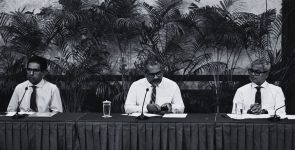

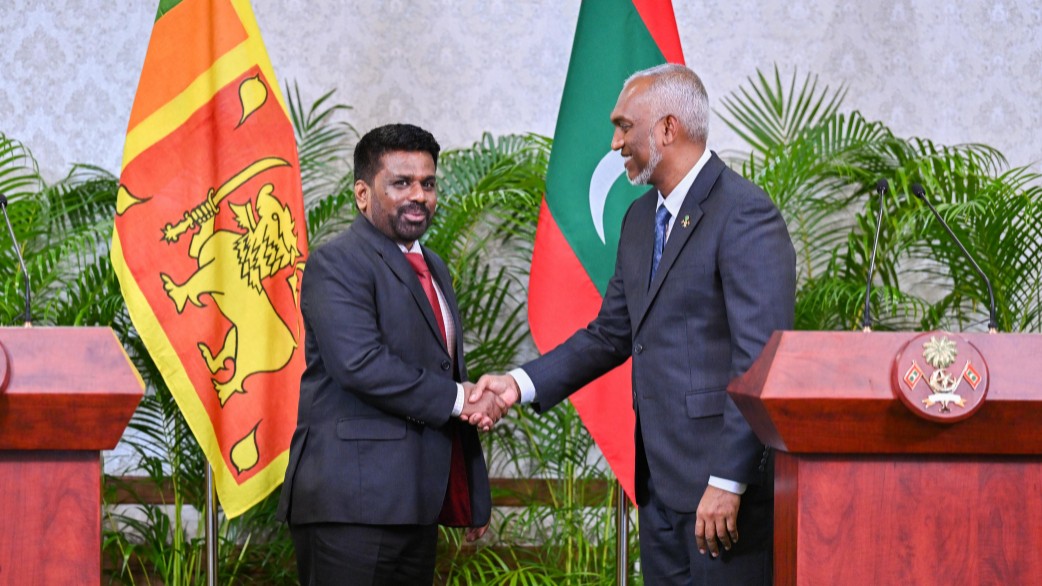



A familiar foreign policy problem resurfaced recently, not through a formal dispute between governments, but through the words of a Maldivian envoy speaking to the media. In an interview published by Sri Lanka’s Daily News on 8 January 2026, Maldives’ High Commissioner in Colombo, Masood Imad, complained about what he described as discriminatory visa treatment for Maldivians and suggested the Maldives could respond by revising visa policy affecting Sri Lankan professionals in the Maldives.
The substance of the grievance is not hard to understand. Sri Lanka is still a second home of sorts for many Maldivians: a place for medical appointments, university intakes, school terms, and quick weekend travel. Even in the Daily News account, the complaints were framed around long queues, inconsistent processing, and the sense that applicants doing things “the proper way” were being punished for it. But in diplomacy, method matters as much as message. When a serving envoy turns a consular complaint into a public warning, it narrows the space for quiet correction and makes the relationship itself the headline.
That is why the reaction at home has been as loud as the original comments. Maldivian outlets reported criticism from seasoned diplomats who argued the matter should have been handled through bilateral channels rather than through the press, and that publicly floating retaliation is not standard practice for a mission posted in a friendly capital. The issue escalated further after Masood met Sri Lankan opposition figure Namal Rajapaksa, a move that drew fresh questions about judgement and optics, given how sensitive Colombo politics can be.
The political system has also moved to formalise the discomfort. Foreign Minister Abdulla Khaleel has been summoned to the People’s Majlis for questioning over whether the envoy’s approach aligned with diplomatic norms. On its face, that is a healthy reflex: if foreign policy is conducted in the name of the state, then officials should be answerable when they risk turning day-to-day consular friction into a bilateral problem.
Still, the deeper issue is not one envoy’s interview. It is the Maldives’ uneven culture of accountability when foreign relations are put at risk by individuals, whether they are diplomats posted abroad or political appointees at home. The precedent is messy. In 2024, three deputy ministers were suspended after derogatory posts about India’s Prime Minister triggered a regional backlash. They remained in position for an extended period after the initial disciplinary action. And two are now employed by SOEs. Whatever one thinks of that episode politically, it left a lingering public impression: consequences depend on who you are, not what you did.
Another example sits inside the foreign service itself. In November 2024, Maldives’ envoy to Pakistan, Mohamed Thoha, was removed after an unauthorised meeting with a Taliban representative, an incident that raised immediate questions about whether a diplomat had freelanced on one of the most sensitive recognition issues in the region. Yet by late November 2025, Maldivian media reported Thoha had returned to his post in Islamabad. The message received by the public is not simply that mistakes happen, but that institutional memory is short, and that disciplinary actions can look temporary rather than principled.
That matters because Maldives-Sri Lanka relations are not a symbolic friendship. They are practical, daily, and human. Sri Lanka is a major source of labour for the Maldives, particularly across services and skilled professions, while the Maldives is an important market for Sri Lankan exports. In moments of crisis, the relationship has also been emotional and real. In late 2025, the Maldives government and public mobilised significant support for Sri Lanka after Cyclone Ditwah, including funds raised through a national telethon, with official breakdowns published by the Foreign Ministry. When ties are that interwoven, it is reckless to treat them as a stage for domestic applause lines.
A disciplined approach would have been straightforward: document the visa bottlenecks, raise them formally, and pursue fixes through reciprocal administrative cooperation. If Maldivians genuinely face discrimination, the remedy should be specific and evidence-based, not a broad threat that drags Sri Lankan workers in the Maldives into a dispute they did not create. Quiet diplomacy is not weakness. In a relationship this close, it is usually the faster route to a real solution.
The risk now is that the Maldives ends up with the worst of both worlds: strained goodwill with a neighbour, and no tangible improvement for Maldivians trying to study, seek care, or live in Sri Lanka. The choice is not between defending citizens and respecting diplomacy. A serious state does both, and it does so with consistency. If Parliament’s questions lead to clearer standards for envoys, and if the Foreign Ministry is willing to enforce those standards regardless of personality or faction, this incident could still become a corrective moment rather than another entry in the country’s growing list of avoidable foreign policy self-inflicted wounds.