


Shifts in global travel patterns linked to ongoing geopolitical tensions are prompting a renewed focus on diversification and structural reform in the Maldives’ tourism sector, according to discussions at a recent industry webinar.
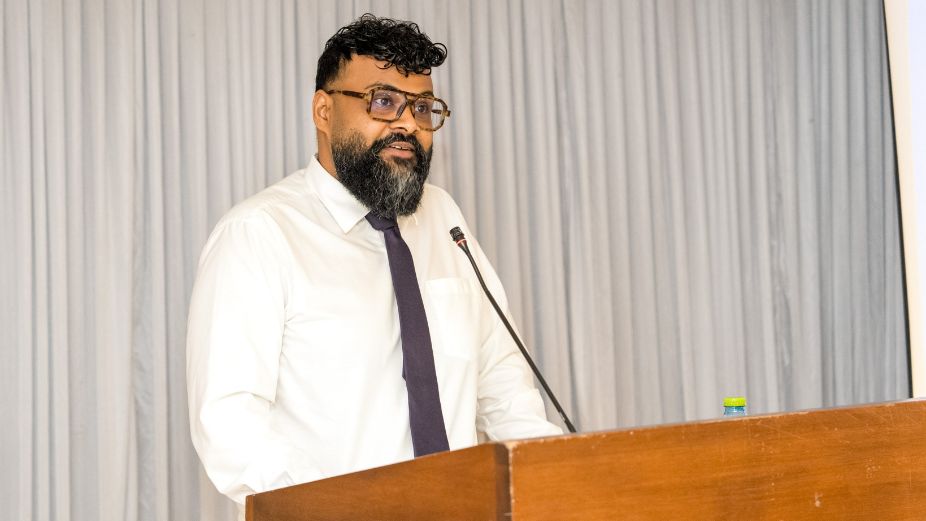
At a joint session hosted by Visit Maldives Corporation (VMC) and the Pacific Asia Travel Association, VMC Chairperson Abdulla Giyas pointed to the country’s reliance on Middle Eastern aviation hubs as a key vulnerability. He noted that disruptions tied to the conflict in the region are affecting both visitor flows and higher-spending segments of the market.
Giyas said authorities have taken steps to maintain connectivity and support travellers, while working with airline partners to stabilise operations. At the same time, he indicated that the current environment highlights the need to expand into segments such as destination weddings, sports tourism, meetings and events, and superyacht travel, alongside addressing structural constraints within the sector.
Market analysis presented during the webinar suggested that while tourism demand across Asia-Pacific is expected to grow in 2026, uncertainty linked to the Iran conflict could weigh on destinations dependent on long-haul transit routes. The outlook was described as cautiously optimistic, with risks remaining if disruptions persist.
Speakers also discussed operational responses to fluctuating fuel prices and changing traveller behaviour. Industry participants highlighted the importance of targeting more resilient source markets, managing rising travel costs, and maintaining clear communication during periods of uncertainty. A live discussion segment focused on practical measures stakeholders can implement in the near term.
The scale of disruption facing the global tourism sector was also noted, with estimates indicating losses of around USD 600 million per day. Against this backdrop, VMC signalled that it is pursuing a more structured, data-driven approach to sustain market confidence and mitigate risks to the Maldives’ tourism-dependent economy.
VMC and PATA are expected to continue engagement with industry stakeholders through upcoming events and marketing initiatives, as part of broader efforts to support recovery and adaptation across the sector.