




The Maldivian government is moving to reduce potential economic pressures arising from the ongoing conflict in the Middle East, as disruptions to key global trade routes begin to pose risks to supply chains and prices.
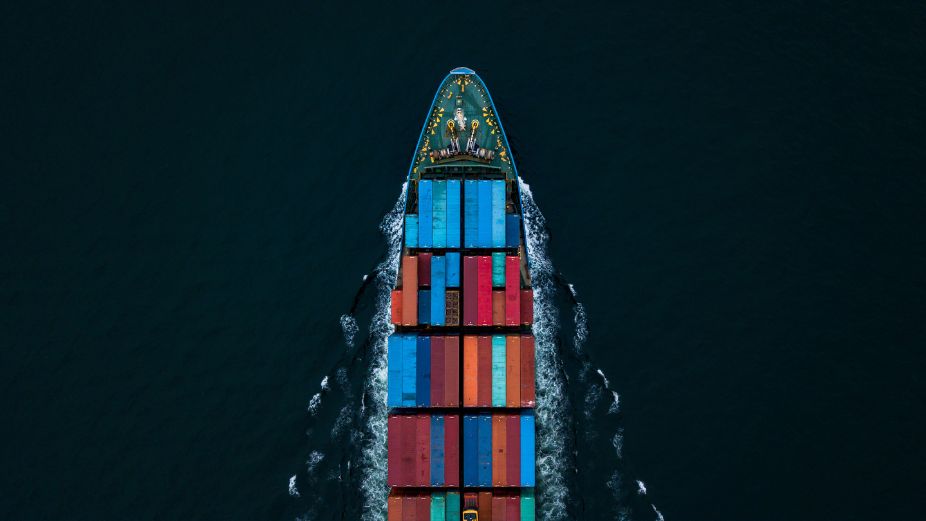
Tensions in the region, now extending beyond a month, have drawn in Yemen’s Houthi group and heightened concerns over the security of critical maritime corridors such as the Bab al-Mandab Strait and the Suez Canal. These routes play a central role in trade flows between Europe and Asia, and any sustained disruption could carry wider global consequences. Authorities have also pointed to risks linked to the Strait of Hormuz, another vital passage for energy supplies.
Officials have indicated that these developments are likely to be felt in the Maldives, particularly through increases in global commodity prices. Despite these pressures, the government has stated that essential goods remain available, with measures in place to maintain supply stability.
In response, efforts are underway to diversify import sources by strengthening trade links with East Asian markets. The government is prioritising engagement with countries including Malaysia, Vietnam, Thailand and Indonesia, with a view to expanding existing trade relationships and reducing reliance on traditional supply routes.
The Minister of Economic Development and Trade has noted that the current situation is being treated as an opportunity to deepen commercial ties with these markets, alongside coordination with the Ministry of Foreign Affairs to support this shift.
At the same time, existing trade frameworks are expected to play a role in maintaining continuity. The Maldives’ Free Trade Agreement with China has been highlighted as a mechanism that can facilitate smoother trade flows. While there is no equivalent agreement with India, officials have indicated that India continues to prioritise exports to the Maldives, with discussions ongoing to further strengthen bilateral trade relations.
Authorities have also stated that air cargo services from the Middle East remain operational, and that fuel imports, primarily sourced through Oman, have not been disrupted despite regional tensions.