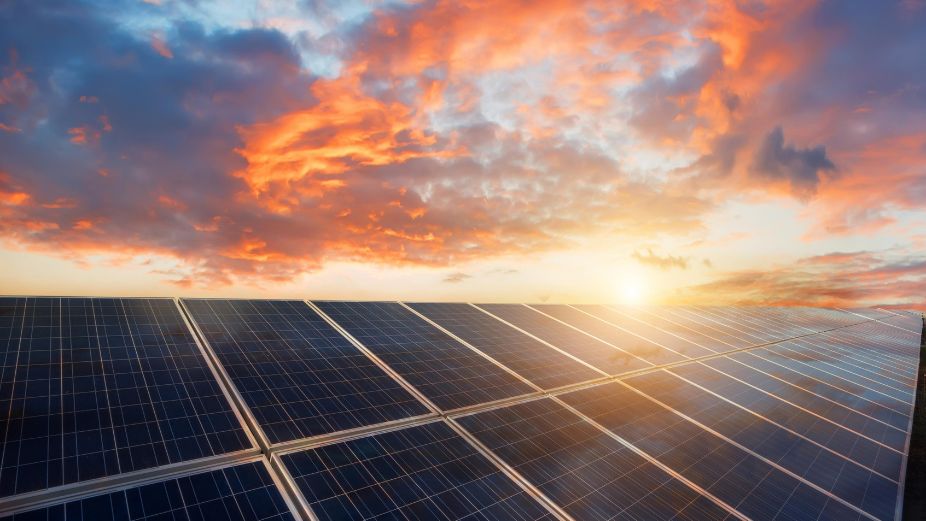
The Maldives is moving closer to expanding renewable energy use across the country, with 17.5 MW of solar hybrid capacity installed across 32 islands under two ongoing projects, according to the Ministry of Climate Change, Environment and Energy.
The projects form part of the government’s wider target to raise renewable energy’s share of total electricity generation to 33 percent by 2028. The shift carries economic significance for the Maldives, where electricity generation remains heavily dependent on imported fuel.







One of the ongoing projects involves the installation of a 6.5 MW solar hybrid system across 25 islands in Baa Atoll. The ministry said the project has reached 95 percent completion.
A second project, involving an 11 MW solar hybrid system, is being carried out in Kulhudhuffushi City, Eydhafushi in Baa Atoll, Hinnavaru in Lhaviyani Atoll, Thinadhoo in Gaafu Dhaalu Atoll, and Hithadhoo, Hulhudhoo and Meedhoo in Addu Atoll. According to the ministry, this project is 97 percent complete.
The expansion comes at a time when instability in the global energy market, including the effects of ongoing conflict in the Middle East, has increased pressure on countries that rely heavily on imported oil. For the Maldives, reducing fuel consumption for power generation is both an economic and environmental priority.
The country currently spends around USD 443 million annually on oil for electricity generation. As oil prices remain vulnerable to global shocks, energy imports continue to place pressure on public finances and the wider economy.
The Maldives’ current renewable energy capacity stands at about 110 MW. The government aims to double this to 220 MW by the end of the current presidential term, while working towards having renewable sources account for 33 percent of national electricity generation by 2028.
Beyond reducing import costs, the transition is also linked to the Maldives’ climate priorities. As a low-lying island nation exposed to the effects of climate change, the country has long argued that cutting reliance on fossil fuels is necessary not only for economic resilience, but also for environmental sustainability.