

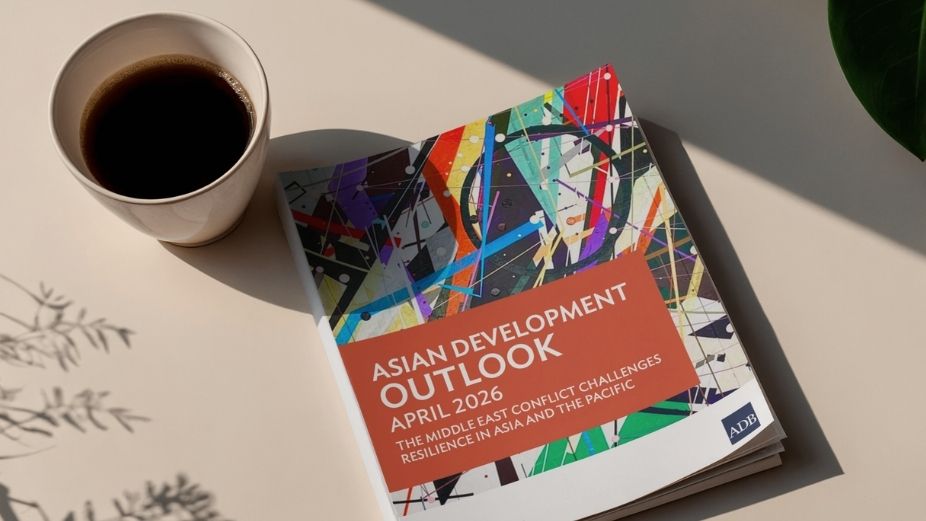



The Maldives’ recent economic rebound is expected to lose momentum as external shocks and structural vulnerabilities begin to weigh more heavily on growth, according to the latest Asian Development Outlook.
Economic activity strengthened in 2025, with GDP growth estimated at 5.4%, driven largely by tourism and a strong recovery in the fisheries sector. Both sectors contributed significantly to output, with fisheries alone reversing a sharp contraction from the previous year and expanding sharply during the year.
This recovery also supported external balances. The current account deficit narrowed significantly, reflecting increased tourism receipts and improved export performance, particularly in fisheries. Foreign reserves also rose, supported by policy measures and external financing arrangements.
However, these gains appear increasingly fragile. Growth is projected to slow in 2026 as the fisheries rebound stabilises and external conditions deteriorate. The ongoing conflict in the Middle East is expected to dampen tourism demand and push up global oil prices, increasing import costs for the Maldives.
Rising oil prices are also expected to feed into domestic inflation, while pressures on foreign exchange reserves and fiscal space are likely to constrain the government’s ability to respond. These constraints come at a time when the country continues to face structural imbalances, including a large current account deficit and elevated public debt levels.
The analysis suggests that the Maldives remains highly exposed to external shocks due to its dependence on imports, particularly fuel, and its reliance on tourism as a primary source of foreign exchange. Disruptions to global travel or supply chains could therefore have immediate macroeconomic consequences.
At the same time, fiscal pressures are expected to intensify. Limited policy space reduces the government’s ability to stimulate the economy or cushion the impact of rising costs, increasing the urgency of structural reforms. The report highlights the need to restore fiscal sustainability, including addressing long-term pressures from public spending commitments such as healthcare financing.
While recent improvements in growth and external balances indicate a degree of recovery, the broader outlook points to a more constrained environment ahead. The Maldives’ economic trajectory in the near term will depend heavily on external developments, particularly energy prices and tourism flows, as well as the government’s ability to manage fiscal risks and implement reforms.