



On 7 May 2026, Bank of Ceylon Maldives marks 45 years of continuous presence in the country.
When the bank established its branch in Malé in 1981, the Maldives was still in the early stages of its economic development, with limited infrastructure and a narrow economic base. At the time, the entry of an international bank represented more than geographic expansion. It reflected a long-term commitment to supporting a developing economy.
Over the past four and a half decades, both the Maldives and the bank have evolved in parallel. From facilitating trade and enabling foreign exchange flows in the early years to supporting key sectors such as tourism, infrastructure and business development, Bank of Ceylon Maldives has remained a consistent participant in the country’s growth.
This journey has been shaped not only by expansion, but also by stability, resilience and long-standing relationships built across industries and communities.
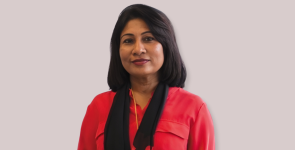
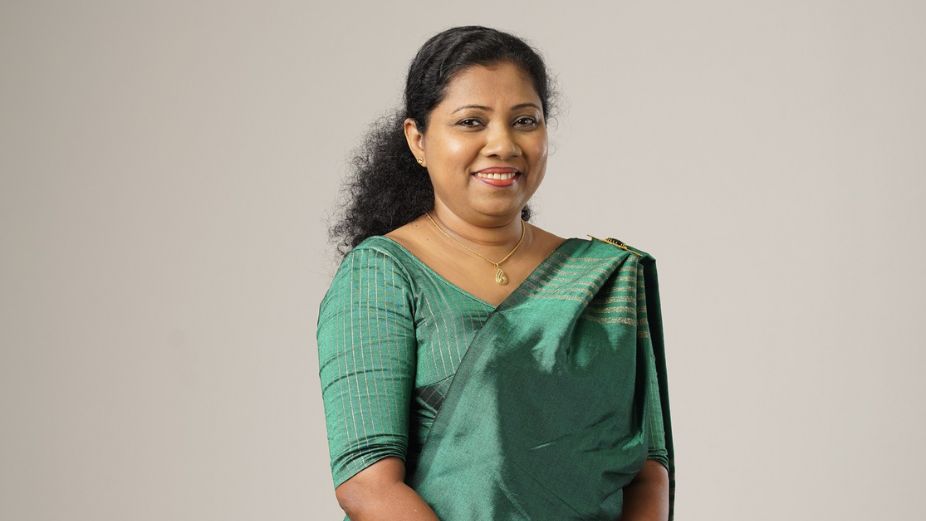
To mark this 45-year milestone, this interview was conducted with Ms Manjula Herath, Country Manager of Bank of Ceylon Malé and the bank’s first female Country Manager in the Maldives, to reflect on its journey, contributions and future direction.
1. Bank of Ceylon entered the Maldives in 1981. What was the strategic thinking behind this move at that time?
When we look back at the late 1970s and early 1980s, the Maldives was still in a formative stage of economic development. The overall economic base was small, infrastructure was limited, and the country’s primary activities were centred around fisheries and basic trade.
However, what stood out even at that time was the long-term potential of the Maldives. Its strategic location in the Indian Ocean, the early emergence of tourism, and the increasing need for structured financial intermediation created a compelling case for entry. From a regional banking perspective, there was a clear gap in facilitating trade and foreign exchange flows.
The decision to establish the Malé branch in 1981 was therefore not driven by immediate commercial scale, but by long-term vision. We saw an opportunity to position ourselves as a financial bridge, connecting the Maldives to international markets, supporting businesses, and contributing to the gradual development of the country’s financial ecosystem.
2. How would you describe the economic and financial landscape of the Maldives during the late 1970s and early 1980s?
At that time, the Maldives had a relatively modest economic structure, with GDP estimated at under USD 100 million. Economic activity was limited in scale and diversification, with fisheries and trade forming the backbone of the economy, while tourism was still in its infancy.
From a financial perspective, the ecosystem was at an early stage. Access to international banking services was limited, and businesses faced constraints in connecting with global markets. Trade financing mechanisms were not widely developed, and foreign exchange support was a key requirement for sustaining economic activity.
In such an environment, the role of a bank extended beyond conventional services. It involved enabling economic participation, supporting trade flows, and helping build the foundational systems that would later support growth.
3. What were the bank’s priorities during its early years in the Maldives?
Our early priorities were very clear and aligned with the needs of the economy at the time. We focused on providing essential banking services that were critical for facilitating trade and business operations. These included letters of credit, trade finance, remittances and guarantees.
Given the Maldives’ high dependence on imports, structured trade financing was essential for ensuring the smooth functioning of supply chains. By providing these services, we directly supported businesses in accessing goods, managing transactions and engaging with international partners.
At the same time, we recognised that financial development required more than just products. We invested in knowledge-sharing initiatives, including seminars and awareness programmes for Maldivian traders, particularly in export and import procedures. This helped build confidence and capability within the local business community.
4. The Maldives economy has undergone significant transformation over the past four decades. How do you view this journey?
The transformation of the Maldives economy over the past four decades has been significant and well-defined. From a small, relatively undiversified economy in the early 1980s, the country has evolved into a globally recognised tourism-driven economy.
GDP has expanded substantially and now exceeds USD 7 billion, while the country has transitioned into the upper-middle-income category. This progress has been driven by sustained tourism growth, infrastructure development and increasing integration with global markets.
What is particularly noteworthy is the consistency of this growth trajectory. Despite external shocks and economic cycles, the Maldives has demonstrated resilience and the ability to adapt. For institutions like ours, it has been a privilege to be part of this journey and to support the sectors that have driven this transformation.
5. How has Bank of Ceylon Maldives evolved alongside this economic growth?
Our evolution has closely followed the development of the Maldivian economy. In the early years, our focus was primarily on trade finance and basic banking services, which were essential at that stage of development.
As the economy expanded, particularly with the growth of tourism and infrastructure, we broadened our role. We began supporting tourism-related developments, financing infrastructure and reclamation projects, facilitating working capital requirements, and expanding into corporate and retail banking.
Our involvement in initiatives such as the Hulhumalé development reflects our alignment with national growth priorities. Over time, we have positioned ourselves not just as a service provider, but as a partner contributing to economic progress.
6. Can you highlight some key milestones in the bank’s journey in the Maldives?
There have been several important milestones over the years that reflect both our growth and our commitment to innovation.
We were among the early banks to introduce ATM services in the Maldives, which was a significant step towards improving accessibility and convenience for customers. The opening of our Hulhumalé branch in 2019 marked another key milestone, aligning our physical presence with the country’s urban expansion.
Beyond infrastructure and technology, one of our most important achievements has been the long-standing relationships we have built across sectors. These relationships, developed over more than four decades, reflect trust, consistency and mutual growth.
7. How did the bank support the economy during challenging periods such as the COVID-19 pandemic?
The COVID-19 pandemic presented an unprecedented challenge, particularly for a tourism-dependent economy like the Maldives. The sudden slowdown in economic activity created significant pressure on businesses and individuals.
During this period, our focus was on providing stability and support. We extended moratorium facilities, ensured uninterrupted banking services, and worked closely with our customers to help them manage the immediate impact.
These actions were guided by a long-term perspective. Supporting customers during difficult times is essential not only for their recovery, but also for the overall stability of the financial system. It is during such periods that the strength of relationships between a bank and its customers becomes most evident.
8. How is Bank of Ceylon Maldives adapting to the evolving banking landscape today?
The banking sector is undergoing a significant transformation, driven by technology and changing customer expectations. In response, we have taken steps to modernise our service offerings and enhance customer experience.
We have introduced digital banking solutions, online platforms and payment gateways to improve accessibility and convenience. At the same time, we continue to build on our traditional strengths, ensuring that we provide reliable and secure banking services.
Our approach is to strike a balance between leveraging our legacy and embracing innovation. This allows us to remain relevant in a rapidly evolving financial environment.
9. What role does the bank play in the local community and workforce development?
People are central to our operations and long-term presence in the Maldives. We have made a consistent effort to employ and develop Maldivian talent, contributing to the growth of local expertise within the financial sector.
In addition to workforce development, we serve a diverse customer base, including individuals, SMEs, corporates and expatriates. Over time, this has helped us build strong relationships and a high level of trust within the community.
Our objective has always been to integrate into the local environment not just as a financial institution, but as a participant in the country’s development journey.
10. Looking ahead, what is your outlook for the Maldives economy and the bank’s role within it?
The Maldives continues to present strong growth potential, supported by tourism recovery, infrastructure expansion and increasing digital adoption. While challenges remain, particularly in managing external vulnerabilities, the overall outlook remains positive.
As a bank with more than four decades of presence, our role will be to continue supporting this growth through responsible financing, innovation and strong customer relationships.
We see ourselves as a long-term partner that understands the market, adapts to change and contributes to sustainable economic development.
11. Finally, how would you summarise the journey of Bank of Ceylon Maldives?
It is a journey defined by timing, consistency and partnership.
We entered the Maldives at a time when the economy was still developing, and over the years, we have grown alongside it. Our focus has always been on building relationships, supporting economic activity and adapting to the changing needs of the market.
In many ways, our journey reflects the broader story of the Maldives: steady growth, resilience and transformation over time.