
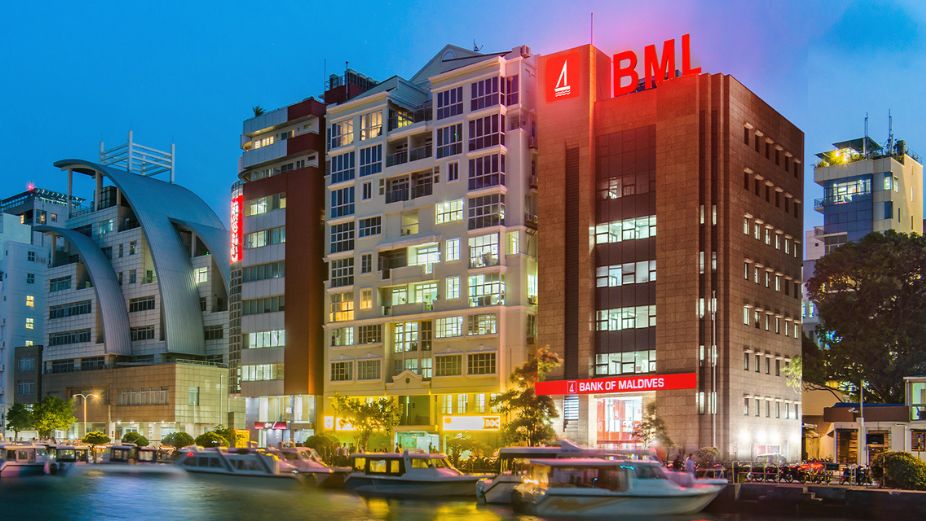






Bank of Maldives is moving towards a potential entry into international debt capital markets, a step that could diversify its funding base and expand its lending capacity at a time when tourism remains central to the country’s economy.
The bank said it has completed a series of non-deal roadshow meetings with institutional investors between 29 April and 8 May 2026. The meetings were held across major financial centres, including Singapore, Hong Kong and London, as part of BML’s effort to explore opportunities for raising external financing.
The proposed funding is expected to support the bank’s wider expansion plans, with a particular focus on the tourism sector. BML’s tourism loan book stood at USD 594 million at the end of April 2026, while around USD 35 million had been disbursed to the sector between January and April this year.
The move comes after what the bank described as the strongest financial year in its 43-year history. BML said it continues to maintain strong profitability, liquidity levels, and capital adequacy buffers above regulatory requirements. The bank also noted that it currently has no external borrowings, placing it in a relatively strong position as it considers access to international markets.
BML CEO and Managing Director Mohamed Shareef said investor engagement had been encouraging.
“Our engagements with global investors have been highly encouraging and reflect strong confidence in the Maldives’ economic outlook and the Bank’s solid fundamentals. As we look to the future, accessing international debt markets represents a strategic step to diversify our funding base and scale up our support to key sectors, particularly tourism. We remain committed to delivering sustainable growth while maintaining our prudent risk management approach,” he said.
For BML, international borrowing would mark a notable shift in how the country’s largest bank sources funding for future growth. It would also come at a time when Maldivian financial institutions are increasingly operating in a more complex external environment, shaped by tourism demand, foreign currency pressures, and the need for longer-term financing options.
The bank said it remains focused on delivering value to stakeholders while maintaining its role within the Maldivian financial system.