





The Government has identified foreign debt repayment as its main economic priority, as the Maldives continues to manage fiscal pressures linked to external obligations, domestic debt, and essential public spending.
Chief Spokesperson of the President’s Office Mohamed Hussain Shareef said the consequences of defaulting on foreign debt would affect the country as a whole, making external debt management a central focus of the administration’s economic policy.
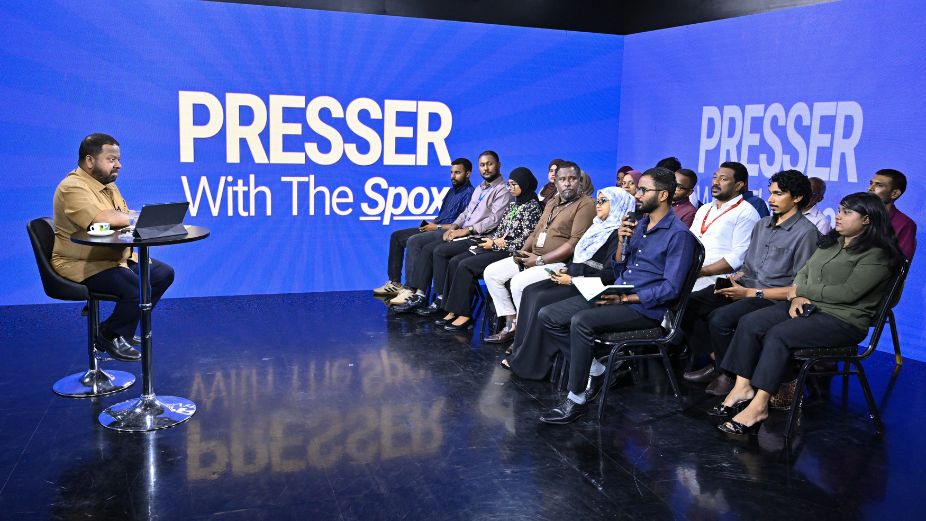
Speaking during the “Presser with the Spokes” series, Shareef described the Maldivian economy as fragile and acknowledged that domestic debt remains higher than the Government would prefer. However, he said the administration’s immediate approach is to prioritise external obligations while continuing to meet basic state responsibilities, including fuel imports, public sector salaries, and healthcare services.
Shareef said the Government intends to address domestic debt gradually, noting that the level of external debt had previously limited the room available for changes to domestic obligations.
He also said international financial institutions had advised the Maldives to reduce expenditure, but added that the Government did not intend to halt services connected to citizens as part of cost-cutting measures.
The remarks come as the Maldives approaches a debt payment due in September. Shareef expressed confidence that the payment would be settled, citing progress made in managing the debt situation over the past two years.
According to figures cited by the Government, the current administration has repaid USD 1.29 billion in debt over the past two and a half years. By the end of May, the Maldives’ total external debt as a share of GDP had fallen to 44.5 percent.
While the Government has pointed to signs of improvement in the country’s financial position, the remarks also reflect the continued pressure facing the state as it attempts to balance debt repayment with ongoing expenditure commitments.