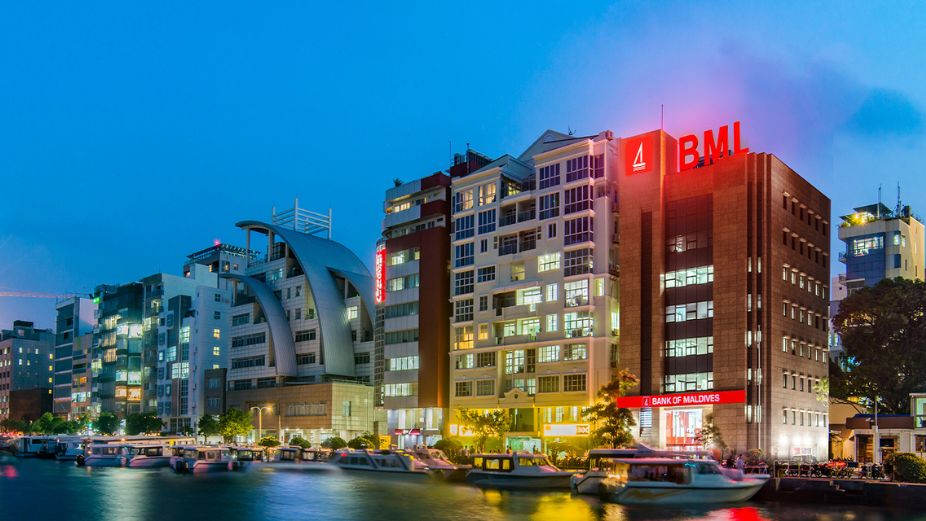
Bank of Maldives is seeking to raise up to USD 300 million through a planned sukuk issuance, in a move that could provide additional foreign currency liquidity at a time when the wider economy faces pressure from tourism-related headwinds and debt repayment obligations.
According to Bloomberg, BML has begun discussions with international investors for a US dollar-denominated sukuk. The bank’s Director of Financial Strategy and Planning, Abdulla Hassan, said meetings are being held with fund managers across Asia, the Middle East and Europe to assess investor appetite for the proposed issuance.







The transaction, if completed, would mark BML’s first entry into international capital markets. Bloomberg reported that the issuance is expected to carry a government guarantee, while Dubai-based Mashreq Bank is assisting with investor engagement.
The planned fundraising comes as the Maldives continues to manage pressure on foreign currency availability. Tourism remains the country’s main source of external income, but travel disruptions linked to the Middle East conflict and higher fuel costs have raised concerns over visitor flows, import costs, and the balance of payments.
Marcus Yiu, an analyst at Moody’s Ratings, told Bloomberg that travel disruption and elevated fuel costs could weaken growth prospects, reduce tourism receipts, and increase the import bill. Such pressures could weigh on external liquidity and foreign exchange reserves.
Hassan said the proposed funding is not directly tied to the current challenges facing the tourism sector, but would help by increasing the amount of foreign currency available in the economy. He said the added liquidity would benefit the wider economy and provide an indirect response to current pressures.
The sukuk plan also comes as the Maldives prepares for further tourism and infrastructure expansion. The new international passenger terminal at Velana International Airport has increased annual passenger capacity, while the government has announced plans to allocate additional islands for resort development. These projects are expected to require significant foreign currency investment.
BML’s role in the economy is also relevant to the planned issuance. The bank is a major lender to individuals, small and medium enterprises, corporates, and key sectors including tourism. It reported a net profit of MVR 2.5 billion last year, a 9.8 percent increase from the previous year, while total assets rose to MVR 55.8 billion.
The bank also disbursed a record MVR 10 billion in new loans and financing during the year. Deposits increased by 16 percent, while more than 30,000 new accounts were opened.
The proposed sukuk comes at a sensitive time for the government’s own financing position. The Maldives recently repaid a USD 500 million sukuk rather than refinancing it through international markets, while also settling a USD 400 million debt to India. Bloomberg reported that the government faces high borrowing costs in international markets, limiting its ability to directly raise funds abroad.
With the state holding a majority stake in BML through the Ministry of Finance and other linked entities, the proposed issuance sits at the intersection of banking sector strategy and broader public finance pressures. While the fundraising would be carried out by the bank, its government guarantee and potential impact on dollar liquidity make it significant for the wider economy.
If successful, the sukuk could give BML additional room to support dollar financing needs across the economy. It would also test international investor confidence in a Maldivian financial institution at a time when the country is working to rebuild reserves and maintain financing for tourism-led growth.