Central Bank Warns Recurrent Spending Could Absorb Nearly All 2027 Revenue
- The MMA warns recurrent spending in the 2027 budget would absorb 99.7% of projected revenue excluding grants, leaving little room for shortfalls.
- The central bank recommends stronger tourism audits, better customs oversight, and improved fee collection to boost revenue without new taxes.
- It urges targeted electricity subsidies, Aasandha co-payments, securing external financing, and reducing reliance on commercial banks for government securities.
The Maldives Monetary Authority (MMA) has urged the Government to curb operating costs and improve tax collection, warning that recurrent spending in the proposed 2027 budget would absorb 99.7 per cent of projected revenue excluding grants. That leaves little room to absorb a revenue shortfall or an increase in costs without raising more financing.
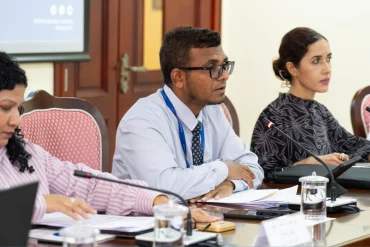
The proposed MVR 59.7 billion state budget allocates MVR 42.7 billion to recurrent spending. The overall deficit is projected at MVR 9.4 billion, or 7.3 per cent of GDP, up from an estimated 6.2 per cent in 2026. The MMA told Parliament’s Budget Committee that recurrent spending should grow more slowly than revenue if the Government is to meet its target of reducing the deficit to 5 per cent of GDP by the end of 2028.






With no new taxes planned for 2027, the central bank identified stronger audits of tourism businesses as a way to improve corporate income tax collection. It also recommended placing customs revenue administration under the Ministry of Finance’s oversight as unpaid amounts owed to Maldives Customs Service rise. The MMA called for closer coordination among agencies to collect the MVR 771 million the budget expects from resort lease extensions and other fees.
The central bank also urged the Government to prepare for a possible revenue shortfall if the conflict in the Middle East weakens tourism. It called for longer-term efforts to diversify the economy and reduce its exposure to disruptions in the sector.
On spending, the MMA recommended replacing blanket electricity subsidies with targeted assistance and proceeding with the planned January 2027 Aasandha co-payment for eligible higher earners using private healthcare. It also called for wider use of bulk procurement to reduce healthcare costs. For public investment, it advised keeping ongoing projects on track and starting new or already awarded projects as financing becomes available, with priority given to concessional and green financing.
The MMA also urged the Government to secure the MVR 6.9 billion in external financing assumed in the budget and reduce its reliance on commercial banks to buy government securities. Treasury bills and bonds accounted for 35 per cent of commercial banks’ assets at the end of September, a concentration the central bank identified as a financial stability risk. It also advised tighter controls on foreign currency spending and called for the required deposits into the Sovereign Development Fund to be made in full so that funds are available for external debt repayments.