

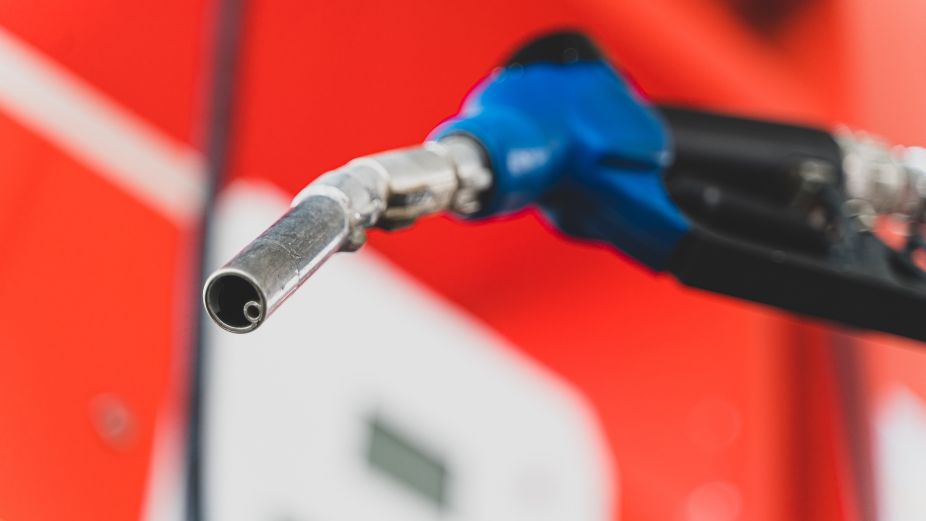



Fuel prices in the Maldives have risen sharply after global oil markets were disrupted by the escalating conflict involving the United States, Israel and Iran, with State-run Fuel Supplies Maldives (FSM) announcing increases of up to 26 percent.
In a statement issued early Thursday, the State Trading Organization (STO), which operates FSM, confirmed that petrol prices have been raised from MVR 13.50 per litre to MVR 16.01 per litre, representing an increase of about 18 percent. Diesel prices have seen a steeper adjustment, climbing from MVR 13.92 per litre to MVR 17.54 per litre, marking a 26 percent rise.
The adjustment represents the most significant fuel price increase in recent years and comes as global energy markets react to disruptions in the Middle East.
The escalation of conflict in the region has severely affected shipping through the Strait of Hormuz, a narrow waterway between Iran and Oman that handles roughly a fifth of the world’s oil and gas supply. Traffic through the strait effectively halted after military strikes involving the United States and Israel triggered retaliation from Iran.
Subsequent attacks targeted energy infrastructure across the region. Facilities in neighbouring countries were affected, including the shutdown of Qatar’s liquefied natural gas production and the temporary closure of Saudi Arabia’s largest oil refinery. At least four oil tankers were also targeted in or near the Strait of Hormuz, leading ship insurers and charter companies to suspend transit through the Gulf.
The disruption has driven oil prices sharply higher. Brent crude rose above USD 84 per barrel at one point, its highest level since July 2024, while global stock markets declined amid concerns that the conflict could trigger a broader economic shock.
For the Maldives, the price adjustment highlights the economy’s exposure to global energy volatility. The country relies almost entirely on imported fuel for transport, electricity generation and fisheries operations, meaning shifts in global oil markets are often transmitted quickly into domestic prices.
Higher fuel costs are likely to ripple across multiple sectors of the Maldivian economy. Transport costs, electricity generation expenses and logistics for tourism and fisheries operations could all face upward pressure if global energy prices remain elevated.
Economists have warned that prolonged disruption to energy supply routes in the Gulf could have far-reaching consequences for small import-dependent economies such as the Maldives. If the conflict continues and oil markets remain volatile, the resulting price pressures could intensify inflation and strain operating costs across businesses and households alike.