- Maldives fish exports fell to 23,554 tonnes in the first eight months, driven by a 65% collapse in chilled and frozen tuna shipments.
- Canned fish exports also declined, while higher-value processed fish rose 12% to 1,254 tonnes, offering a bright spot.
- The government is advancing infrastructure and cold-storage upgrades to strengthen the fisheries sector as a key engine of economic diversification.
Marine export volumes from the Maldives fell sharply during the first eight months of the year, driven by a pronounced slump in bulk tuna shipments, according to official MMA data.
Figures published in the latest Monthly Statistics Report by the Maldives Monetary Authority (MMA) show that aggregate fish exports reached 23,554 metric tonnes between January and August. The performance reflects a notable downturn compared with the corresponding period of the previous year, highlighting ongoing volatility within the country’s second-largest economic sector.







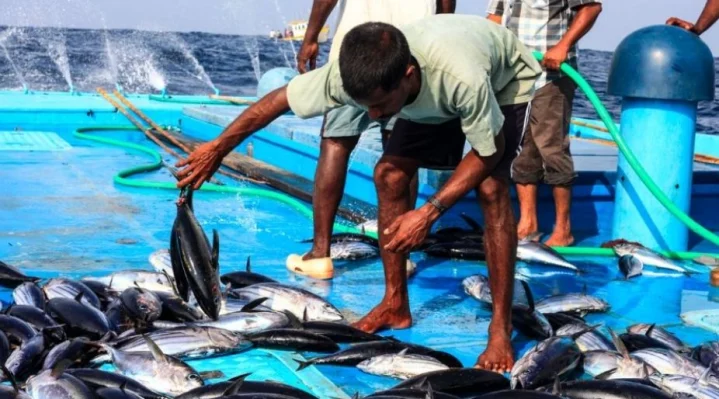
Chilled and frozen tuna continued to comprise the vast bulk of total overseas consignments, generating 18,237 metric tonnes across the eight-month period. However, this category experienced the steepest contraction, tumbling from the 51,649 metric tonnes recorded during the identical timeframe last year—a contraction of roughly 65 per cent. Within this segment, skipjack tuna formed the primary volume driver, contributing 14,404 metric tonnes.
The decline extended across several other product lines. Canned fish shipments slipped from 4,081 metric tonnes in the previous year to 3,430 metric tonnes, reflecting constrained output or softening external demand across key canned-tuna markets.
Conversely, higher-value processed fish provided a distinct bright spot amidst the broader downturn. Outbound shipments in this category climbed by 12 per cent, rising from 1,118 metric tonnes during the first eight months of the previous year to 1,254 metric tonnes this year. Although processed goods account for a modest portion of total tonnage, the expansion aligns with broader national efforts to move away from raw commodities towards value-added marine goods.
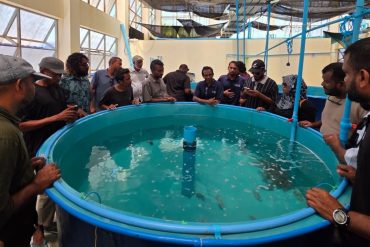
The downturn arrives at a pivotal juncture for domestic economic policy. The Maldivian government continues to position fisheries as a core engine of diversification, aiming to elevate the sector alongside tourism to generate sustainable foreign exchange earnings.
To counteract prevailing supply-chain bottlenecks and cold-storage deficits, state authorities are actively executing targeted infrastructure programmes. Policymakers aim to complete key facility upgrades and modernise domestic processing capacity within the current administration’s first three years, intending to build long-term operational resilience across the island nation’s fleets and distribution networks.