



The government has indicated that essential food imports remain stable despite ongoing disruptions linked to the Middle East conflict, as efforts continue to diversify supply sources and strengthen alternative trade routes.
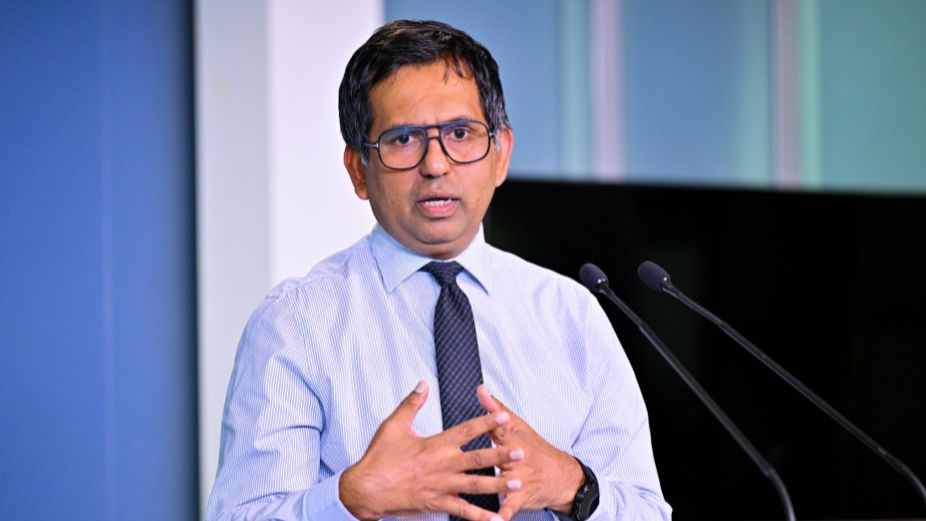
Economic Minister Mohamed Saeed said there are currently no difficulties in bringing in essential food items, noting that measures are in place to ensure the uninterrupted supply of key goods. Authorities are maintaining oversight of a list of priority items, including staple foods, while coordinating with multiple countries to secure consistent inflows.
The response has been coordinated through a special committee established at the onset of the conflict, which has focused on mitigating risks to supply chains. As part of this effort, the Maldives has increased imports from countries such as Indonesia and Malaysia, while also leveraging existing trade frameworks, including the free trade agreement with China.
Officials indicated that reliance on traditional supply hubs is being reassessed, with contingency planning in place to ensure continuity even if major sources face disruptions. In this context, the government has been expanding engagement with a wider network of countries, including Thailand, Cambodia and Malaysia, while also exploring potential trade links with African nations.
In addition to sourcing strategies, logistics are being adjusted to support supply stability. Authorities are examining alternative sea freight routes alongside existing air cargo channels, reflecting a broader shift towards more flexible import pathways.
The minister also noted that wider economic measures are being considered alongside immediate supply concerns. These include efforts to diversify income streams and advance infrastructure projects, such as the Sustainable Township planned within a Special Economic Zone, where land reclamation has already been completed.
The developments point to a broader strategy aimed at reducing vulnerability to external shocks, as the Maldives adapts its trade and supply systems in response to ongoing geopolitical uncertainty.