- The Ministry of Climate Change, Environment and Energy is developing contingency plans to safeguard electricity supply during emergencies and reduce risks from imported fuel dependence.
- The Maldives faces unique challenges due to its dispersed islands requiring individual powerhouses, with 94 per cent of electricity generated from imported fuel.
- The government signed a USD 50 million agreement with the Asian Development Bank and is pursuing renewable energy targets of 33 per cent under its 2024-2033 roadmap.
The Ministry of Climate Change, Environment and Energy is developing contingency plans to maintain electricity services during emergencies and reduce the risks arising from the Maldives’ dependence on imported fuel.
State Minister Dr Muaviyath Mohamed said the preparations cover both immediate responses and longer-term measures to protect electricity supply against disruptions. Speaking on state media programme Raajje Miadhu, he said global shocks affecting the energy industry made advance planning essential.






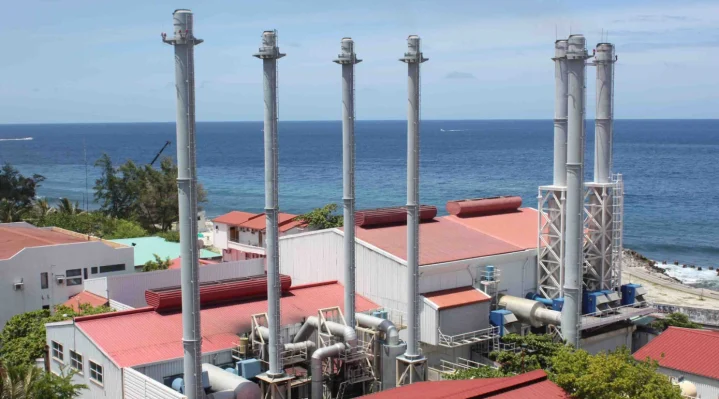
The Maldives faces particular difficulties in responding to electricity emergencies because its population and infrastructure are spread across separate islands. The ministry’s Assistant Engineer Abdul Rasheed said individual islands require their own powerhouses, while transporting equipment and supplies during an emergency presents additional challenges.
Abdul Rasheed also identified fluctuations in fuel prices as a continuing constraint on electricity provision. These changes affect the cost of maintaining services across the country’s dispersed electricity networks.
The financial exposure associated with fuel dependence has already prompted external assistance. In August, the government signed agreements with the Asian Development Bank for a USD 50 million Energy Security Emergency Assistance Project to help respond to elevated global energy prices linked to the Middle East conflict.
The financing supports essential fuel imports needed to maintain electricity and water supplies, alongside transport and other essential services. At the time of its approval, the bank reported that imported fuel generated 94 per cent of the Maldives’ electricity, leaving the country with limited alternatives if supplies were interrupted.
Alongside emergency preparations, the ministry is pursuing investment in electricity infrastructure and renewable energy. The Maldives Energy Sector Roadmap 2024–2033 provides a framework for reducing reliance on fossil fuels and developing a more resilient energy system.
President Dr Mohamed Muizzu reiterated the country’s target of generating 33 per cent of its electricity from renewable sources during COP31 this month. He said achieving that target would require investment in both renewable generation and energy storage, with the geographical separation of islands increasing infrastructure costs.
Reviewing the sector’s progress over the past three years, State Minister Dr Muaviyath said electricity services had received particular attention since President Muizzu took office. He described electricity provision in the Maldives as the best in the region.