Maldives Calls for Plastic Action Abroad, Rolls Back Bans at Home
- The Maldives pushed for an international plastics treaty recognising small island states' vulnerability at Bangkok negotiations.
- President Muizzu's Presidential Decree No. 15/2026 relaxed and delayed bans on single-use plastic straws and bottled water.
- The opposition MDP criticised the reversal, questioning the evidence and warning it could discourage compliance investment.
The Maldives’ call for an international plastics treaty that recognises the vulnerability of small island developing states comes as the government reverses existing restrictions and delays further measures to reduce single-use plastics at home.
At informal negotiations in Bangkok, the Maldives argued that island nations face disproportionate impacts from plastic pollution, including waste originating beyond their borders. The Ministry of Climate Change, Environment and Energy said the country wanted these vulnerabilities reflected in practical provisions within the final treaty.






Legal Counsel Fazeela Ahmed Shaheem and Environmental Analyst Fathimath Shamra represented the Maldives at the second informal in-person meeting of Heads of Delegation of the Intergovernmental Negotiating Committee (INC) on Plastic Pollution, held from 27 to 30 September.
Just over a week before the meeting began, President Dr Mohamed Muizzu issued Presidential Decree No. 15/2026, relaxing restrictions on several plastic products following recommendations from the same ministry.
The decree lifted the existing ban on importing single-use plastic drinking straws until 1 June 2031, with restrictions on their production and sale moved to 19 December 2031. The import ban had been in place since June 2021.
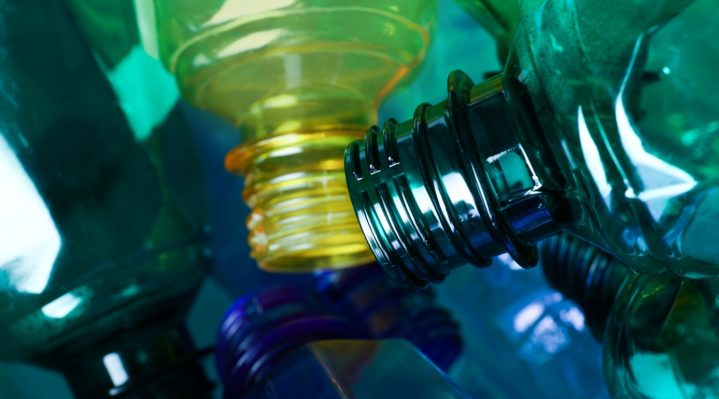
Restrictions on importing and producing drinking water in plastic bottles between 500 millilitres and one litre were postponed to 1 December 2029, with sales permitted until 1 June 2030. For pre-packaged beverages other than water, the prohibited bottle size was reduced from below 500 millilitres to below 250 millilitres, allowing more products onto the market.
The water-bottle restrictions had already been delayed in December 2025, when the government moved the import and production deadline to December 2027 and the sales deadline to June 2028. September’s decision extended those deadlines by another two years.
The ministry has defended the changes as a response to difficulties faced by consumers and businesses. It said paper straws presented practical problems and that more time was needed to introduce suitable alternatives. It also cited inadequate drinking-water services on some islands, arguing that restricting bottled water before reliable alternatives were available could burden the public.
For other bottled beverages, the ministry said small and medium-sized enterprises faced difficulties sourcing products that complied with the previous restrictions, while overseas manufacturers were unlikely to change packaging solely for the Maldivian market.
The opposition Maldivian Democratic Party criticised the reversal, saying businesses and consumers had already spent years adapting to the restrictions. It questioned the evidence for postponing the straw bans until 2031 and warned that repeated delays could discourage investment in compliance with future environmental standards.
The Bangkok discussions addressed provisions of the proposed global treaty ahead of INC-5.4, scheduled for March 2027. While the Maldives is seeking international recognition of its exposure to plastic pollution, its latest domestic decisions extend the availability of products previously banned or scheduled for removal from the market.