- The Maldives is seeking dedicated SIDS seats in expert groups under the Convention on Biological Diversity, plus targeted capacity-building for island states in biodiversity monitoring and reporting.
- The proposal is being advanced at the 28th meeting of the Subsidiary Body on Scientific, Technical and Technological Advice, held in Nairobi from 27 July to 1 August.
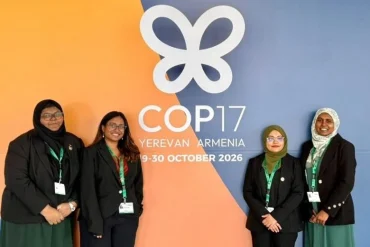
- Recommendations will inform the 17th Conference of the Parties in Yerevan, Armenia, in October, which will conduct the first global review of progress under the Kunming-Montreal Global Biodiversity Framework.
The Maldives is seeking dedicated representation for Small Island Developing States (SIDS) in expert groups operating under the Convention on Biological Diversity, as countries prepare for the first global review of progress under the current international biodiversity framework.
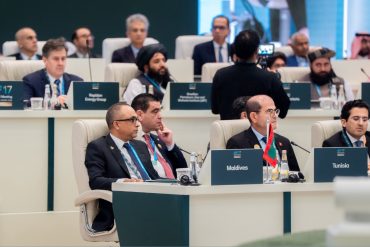
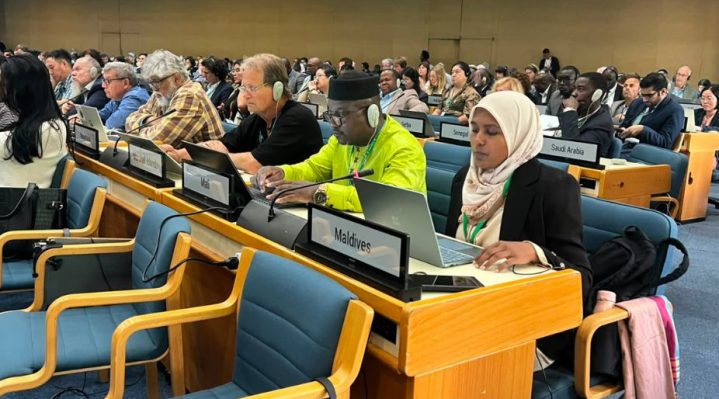
The proposal is being advanced at the 28th meeting of the Subsidiary Body on Scientific, Technical and Technological Advice, which is being held in Nairobi, Kenya, from 27 July to 1 August.







The Ministry of Climate Change, Environment and Energy said the Maldives would negotiate for dedicated SIDS seats in expert groups established to support the convention’s work. It is also seeking targeted capacity-building for island states in biodiversity monitoring and reporting.
The Maldives further wants the specific challenges and conservation ambitions of SIDS to be reflected in the global review process. Its position also calls for reliable scientific information to be accessible to all countries so that biodiversity policies can be guided by evidence.
Established under the Convention on Biological Diversity, the subsidiary body provides scientific and technical advice to the Conference of the Parties. Its recommendations help shape decisions on the implementation of global biodiversity commitments.
A major focus of the Nairobi meeting is the technical review of a global report assessing collective progress under the Kunming-Montreal Global Biodiversity Framework. Adopted in 2022, the framework contains four long-term goals for 2050 and 23 targets to be achieved by 2030.
The review will rely primarily on national reports submitted by countries. The Convention’s Secretariat said 125 of its 196 parties had submitted their seventh national reports in time to be included in the assessment, highlighting the importance of national monitoring and reporting capacity.
Delegates in Nairobi will also consider updates to the framework’s monitoring indicators, protected areas, marine and coastal biodiversity, sustainable wildlife management and synthetic biology.
Recommendations developed through the meeting are expected to inform negotiations at the 17th Conference of the Parties, scheduled to be held in Yerevan, Armenia, from 19 to 30 October. The conference will conduct the first global review of progress under the biodiversity framework.