Maldives Subsidy Spending Reaches MVR 4.15 Billion as Deficit Widens
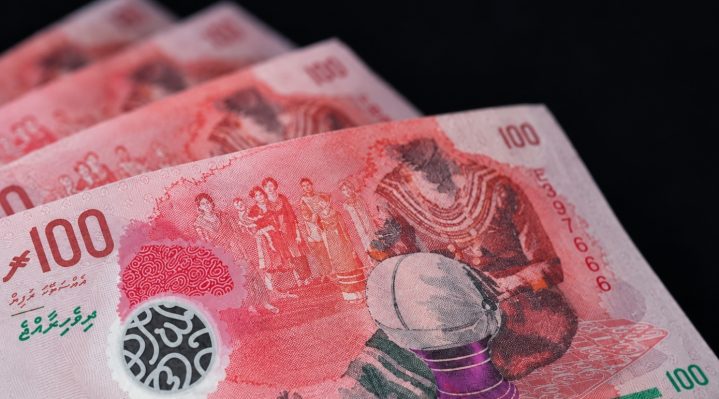
- Maldives' subsidy spending hit MVR 4.15 billion by September 2026, 43.5 per cent above the full-year allocation and 77.1 per cent higher year-on-year.
- The fiscal balance shifted from a MVR 499.3 million surplus to a MVR 3.36 billion deficit as expenditure rose 18.8 per cent while revenue grew only 5.1 per cent.
- Delayed subsidy reforms, World Bank and IMF calls for targeted cash transfers, and rising Aasandha healthcare costs continue to pressure public finances.
Maldives’ subsidy expenditure has exceeded its annual allocation by MVR 1.26 billion, adding pressure to public finances following delays to reforms intended to replace broad subsidies with targeted household support.
The Ministry of Finance & Public Enterprises’ Weekly Fiscal Developments report shows recorded subsidy spending reached MVR 4.15 billion by 24 September 2026. This was 77.1 per cent higher than at the same point last year and 43.5 per cent above the approved full-year allocation of MVR 2.89 billion.






The increase contributed to a wider gap between government income and expenditure. Revenue and grants grew by 5.1 per cent to MVR 30.21 billion, while expenditure rose by 18.8 per cent to MVR 33.56 billion. The cumulative fiscal balance consequently shifted from a surplus of MVR 499.3 million a year earlier to a deficit of MVR 3.36 billion.
Subsidy reform was already part of the government’s earlier fiscal adjustment plans. The 2025 budget envisaged replacing indirect subsidies for electricity, fuel, staple foods and sewerage services with targeted direct cash transfers. However, the government’s 2026 budget book acknowledged that implementation had been postponed to avoid burdening households with higher prices for subsidised goods and services. It also identified the expansion of subsidies as a contributor to higher expenditure.
International financial institutions have continued to recommend changes to how that support is delivered. In its June 2026 Maldives Development Update, the World Bank called for blanket subsidies to be phased out and replaced with targeted cash transfers, alongside improvements to Aasandha’s efficiency and reforms to state-owned enterprises.
The World Bank also recognised the protection subsidies provide, noting that they had helped contain price pressures but added to fiscal costs. Its recommendations therefore centre on directing assistance towards households that need it, while reducing the cost of providing support across the population.
IMF staff made a similar recommendation following their June mission to Maldives. Against a backdrop of higher global oil prices, they called for a systematic review of subsidy schemes to control costs and better target vulnerable groups. The IMF also recommended improvements in energy efficiency and renewable energy use to reduce future subsidy costs.
Healthcare spending presents another pressure. Recorded Aasandha expenditure reached MVR 1.75 billion by 24 September, up 23.3 per cent from a year earlier and equivalent to approximately 86 per cent of its annual allocation.
President Dr Mohamed Muizzu announced on 7 September that individuals earning more than MVR 60,000 a month would move to a co-payment or pre-payment arrangement under Aasandha from October. He said the change was expected to save MVR 287 million annually.
However, Health Minister Geela Ali said on 30 September that the proposal remained under discussion and would be submitted to the Cabinet following consultations. The announced October start was therefore not implemented as initially indicated.
The latest fiscal figures also show that financing and interest costs fell slightly, from MVR 3.95 billion to MVR 3.80 billion. Even so, the primary surplus, which excludes those costs, narrowed from MVR 4.45 billion to MVR 442.3 million. This indicates that higher spending elsewhere had absorbed most of the government’s surplus before interest costs were counted.