- MMA aims to channel all foreign currency through domestic banks, up from the current 65 per cent, closing a gap where tourism generates USD 5.9 billion but banks capture only USD 3.8 billion.
- Governor Munawar questioned resort tax compliance, noting only about 50 of 185 resorts pay income tax, and urged disciplined government borrowing with external financing to ease local liquidity pressures.
- Despite global volatility prompting GDP downgrades across key sectors, Munawar projected expanded flight connectivity and state-led marketing will restore economic growth next year.
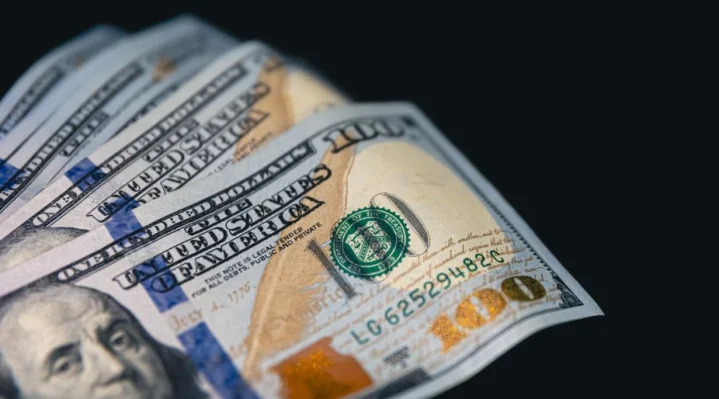
The Maldives Monetary Authority (MMA) intends to route every US dollar entering the country through domestic banks, Governor Ahmed Munawar told the Parliamentary Budget Committee.
Currently, only 65 per cent of foreign currency flowing into the Maldives enters the formal banking system. Addressing hurdles that leave roughly a third of inbound funds unbanked, Munawar revealed that while the tourism sector generates USD 5.9 billion annually, domestic banks capture only USD 3.8 billion.






To close this gap, recent regulatory amendments formalise deposit procedures and heighten oversight alongside existing conversion mandates. Under the updated framework, resorts and commercial enterprises must use monitored, dedicated operational accounts. Munawar affirmed that the central bank will enforce these measures more strictly next year to mobilise liquidity for imports and daily transactions.
The governor also questioned tax compliance within the hospitality sector. Citing figures from the Maldives Inland Revenue Authority (MIRA), he noted that only about 50 of the nation’s 185 resorts pay income tax.
“What does that signify; either they are failing to turn a profit, or surely there are certain underlying discrepancies at play, are there not?” Munawar asked the committee.
Beyond foreign exchange controls, the central bank head warned that macro-fiscal vulnerabilities persist despite lower planned government expenditure for next year. Because domestic lenders have already absorbed the bulk of government financing, Munawar urged disciplined borrowing to curb sovereign debt and advised the state to seek external financing to ease local liquidity pressures.
Looking at the broader economic outlook, Munawar noted that global volatility, geopolitical conflicts, and supply chain disruptions have forced downward gross domestic product (GDP) revisions across the tourism, construction, transportation, and commodity sectors. However, he projected that expanded flight connectivity and state-led marketing initiatives will restore economic growth next year.