

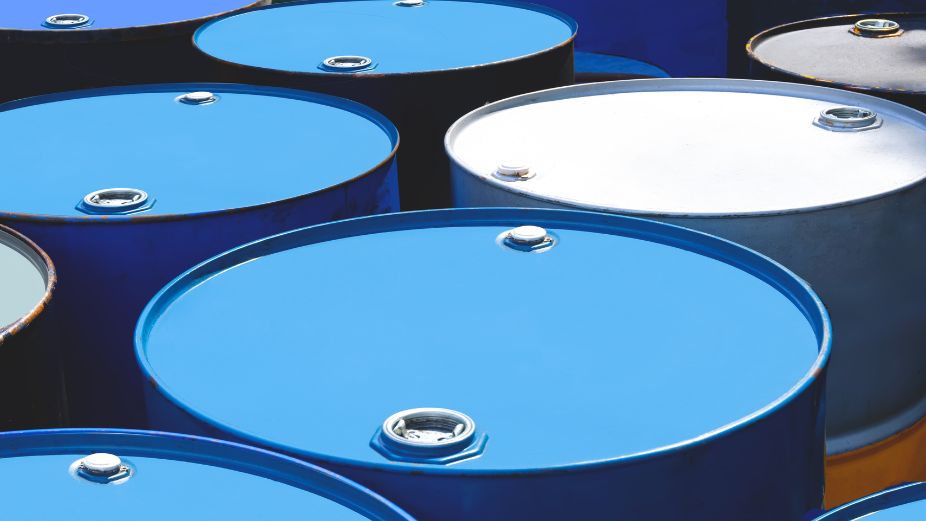


The scale of the Maldives’ reliance on imported fuel has come into sharper focus, with state spending reaching MVR 10 billion last year amid growing uncertainty in global energy markets.
Tourism and Environment Minister Thoriq Ibrahim said the country continues to depend almost entirely on fuel imports, primarily sourced from the Middle East, with Oman among the main suppliers. This exposure has become more pronounced as geopolitical tensions disrupt global supply chains and drive up prices.
The ongoing conflict involving Iran and the effective closure of the Strait of Hormuz, a key transit route for a significant share of the world’s oil and liquefied natural gas, has contributed to rising energy costs worldwide. For the Maldives, which relies heavily on imported fuel for electricity generation and transport, the situation presents both immediate cost pressures and longer-term risks.
Speaking at a press briefing, Minister Thoriq said last year’s fuel import bill amounted to roughly 10 percent of the country’s GDP. He noted that utility providers consume about 7,965 barrels of fuel per day, equivalent to approximately 2.9 million barrels annually, to meet electricity demand across the islands.
Electricity generation capacity currently stands at 301 megawatts across residential islands, with around half concentrated in the Malé area. Resorts contribute an additional 298 megawatts, while industrial islands account for a further 30 megawatts.
Minister Thoriq said the government is working to reduce dependence on fuel through a gradual shift towards renewable energy. Among the initiatives underway is a floating solar project, which is expected to be completed within the next two years. However, he acknowledged that the country does not yet have the capacity to fully transition to renewable sources.
Rising global energy prices have already led to increases in domestic petrol and diesel prices, though the government has indicated that no further price adjustments are planned at this stage.
The developments highlight the structural vulnerability of the Maldives’ energy system, where external shocks in global supply chains can quickly translate into domestic economic pressure.