

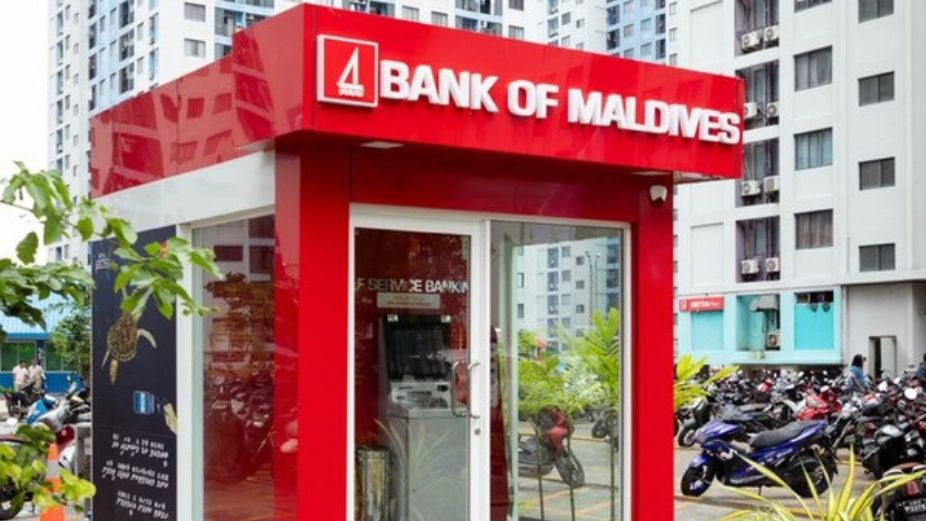




Bank of Maldives (BML) has introduced cross-border transaction fees on both debit and credit cards, expanding charges that were previously applied more selectively as the bank continues efforts to manage foreign currency demand.
Under BML’s revised schedule of charges, which took effect on 2 June 2026, all cross-border transactions made using BML-issued debit and credit cards are subject to fees ranging from 4 percent to 30 percent, depending on the nature of the transaction.
According to the bank, transactions conducted in currencies other than US dollars, or processed using cards funded in Maldivian Rufiyaa or linked to Rufiyaa accounts, will incur a cross-border transaction fee of up to 10 percent.
For transactions involving selected merchants, the fee may rise to as much as 30 percent.
The latest change marks a significant expansion of the policy introduced last year, when BML imposed transaction fees of up to 30 percent on purchases from selected international e-commerce platforms, including Temu, Shein, Alibaba, AliExpress, Lazada and eBay. At the time, the bank said the charges would not apply to customers using debit cards linked to US dollar accounts or to credit card transactions.
Under the new fee structure, however, all BML-issued cards are subject to cross-border transaction charges.
The revised charges come as BML continues to implement measures aimed at managing foreign exchange pressures. The bank recently introduced limits on transactions to certain foreign e-commerce platforms using rufiyaa cards, citing ongoing constraints in foreign currency availability.
On Friday, BML also sought to reassure customers regarding subscription payments, stating that commonly used subscription services are not included within the daily foreign spending limits. The bank said it is addressing cases where subscription payments have been declined and encouraged affected customers to contact the bank directly for assistance.
The clarification followed complaints from customers who reported failed subscription transactions through BML’s mobile banking platforms, despite assurances that subscription payments remain exempt from the spending restrictions.