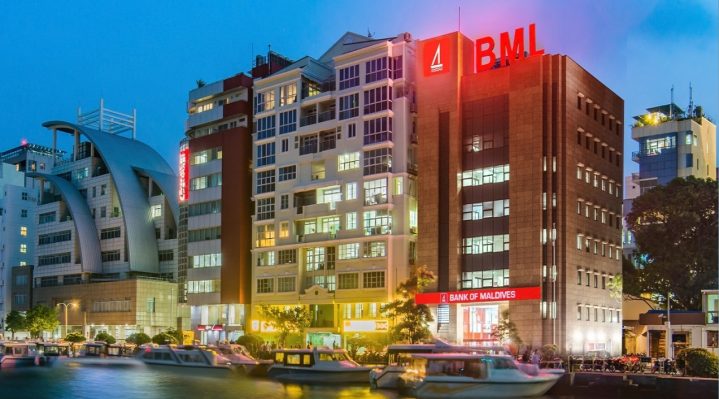
- BML's nine-month profit rose 26% to a record MVR 1.93 billion, with third-quarter profit up 36%, driven largely by a sharp reduction in bad-debt provisions.
- Lending grew far faster than deposits, with net loans up 31% to MVR 32.9 billion against a 14% rise in deposits, pushing the capital adequacy ratio down to 38%.
- Foreign currency pressure persisted as outward payments rose 27% to USD 2.86 billion while inflows grew more slowly, up 15% to USD 2.96 billion.
Bank of Maldives’ record nine-month earnings reflect an expanding loan portfolio and higher interest income, with a sharp reduction in bad-debt charges contributing substantially to third-quarter profit growth. The results also show that stronger profitability has coincided with continuing pressure on foreign currency resources.
The bank reported profit after tax of MVR 1.93 billion for the first nine months of 2026, up 26 per cent from MVR 1.53 billion a year earlier. BML described this as its highest profit for any comparable period.







Its unaudited accounts show third-quarter profit reached MVR 647.2 million, an increase of 36 per cent from the same quarter in 2025. However, earnings were almost unchanged from the MVR 646.9 million recorded in the second quarter of this year.
A significant part of the annual improvement came from lower provisions for bad and doubtful debts, which are charges recognised against potential credit losses. These fell from MVR 140 million in the third quarter of 2025 to MVR 23.9 million this year. The MVR 116.1 million reduction accounted for approximately 52 per cent of the increase in quarterly profit before tax.
Income growth also contributed. Net interest income rose by nearly 20 per cent to MVR 874.8 million, while operating profit before provisions increased by approximately 14 per cent to MVR 898.5 million. Operating expenses grew by 20 per cent, and net fee and commission income declined by approximately 4 per cent, indicating that growth was stronger in interest earnings than in fee-based business.
Lending expanded considerably faster than deposits. Net loans and advances reached MVR 32.9 billion at the end of September, approximately 31 per cent above their December 2025 level. Customer deposits increased by 14 per cent to MVR 42.4 billion over the same period. BML said new loan disbursements totalled MVR 12.1 billion, exceeding the amount disbursed throughout 2025.
The bank’s capital adequacy ratio declined from 48 per cent at the end of December to 38 per cent in September, remaining above the regulatory minimum of 12 per cent. BML attributed the decline to capital being deployed into lending and investments. Its reported credit-impaired loan ratio also fell, from 6 per cent to 4.8 per cent.
Alongside these results, BML reported outward foreign currency payments of USD 2.86 billion during the first nine months, up 27 per cent year on year. Inflows through inward remittances and net card settlements increased more slowly, rising 15 per cent to USD 2.96 billion.
The payment total includes transactions funded from customers’ own foreign currency. Separately, BML supplied USD 722.1 million to customers against rufiyaa, almost matching the USD 733.8 million supplied throughout 2025. This included funding for card spending, telegraphic transfers, travel, education and medical treatment.
September inflows were USD 240 million, approximately 7 per cent below September 2025 and 27 per cent below the monthly average for the first nine months of 2026. BML attributed the pressure to seasonal tourism inflows, rising domestic demand and more expensive international dollar funding. It expects inflows to strengthen as the peak tourism season begins.
The results demonstrate stronger earnings and substantial lending growth. However, aggregate profitability and capital figures do not establish how readily individual customers can obtain dollars. The disclosed liquidity measures are not broken down by currency, limiting what they reveal about the bank’s immediately available foreign currency resources.