- Ihavandhoo's fishing fleet shrank from 19 boats in 2022 to about ten by 2026, with migrant crews replacing Maldivians who left for Fenaka jobs and resort work.
- Fenaka's workforce grew from 4,368 in 2021 to 6,609 in 2024, drawing islanders with steady paycheques, though the utility later offered buyouts to cut costs.
- Skipjack purchases fell sharply from 46,600 tonnes in early 2025 to 19,500 tonnes in early 2026, undermining fishing incomes despite MIFCO's modest price rise to MVR 23 per kilogramme.
In September 2022, the lagoon at Haa Alif Ihavandhoo was empty of fishing boats. All 19 had gone to sea after fishing picked up in the north, the island’s then council president, Ahmed Sobah, told local media. The problem was finding someone to take the catch. A vessel that came to weigh the fish reached capacity the day it arrived.
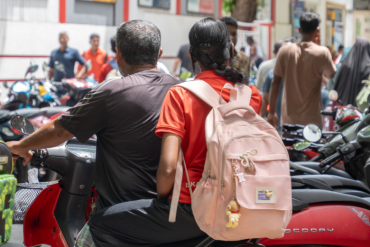
By August 2026, the council estimated that about ten fishing boats remained. Its vice-president, Moosa Ali, described boats going out with 20 to 25 people and only one or two Maldivians aboard. Migrant crews were keeping the boats fishing. Some islanders had taken jobs at Fenaka and other local institutions, while younger fishers had sought work at resorts.







Ali recalled that fishers could make MVR 30,000 to MVR 50,000 a month in an earlier season. He said earnings had since fallen. A good month at sea can make a shore job look modest. A household still has to get through the months when the fish are harder to find or the price is down.
A steady paycheque keeps money going through island shops and helps families plan the next month. A working fleet brings money in from buyers beyond the island and gives other businesses work to do. Someone sells ice, someone repairs an engine and someone processes the fish. When there are fewer boats, there is less work for the businesses that serve them. A hiring slowdown at the utility can then hit an island where people already have fewer places to look for work.
Fenaka’s reach as an employer grew quickly. A special audit put the utility’s workforce at 4,368 in 2021 and 6,609 in 2024 and found that it had continued paying staff assigned to stalled projects. In June, Fenaka offered compensation to staff who volunteered to leave as it sought to cut costs. The company-wide figures leave open how many recruits came from fishing. Ihavandhoo’s council describes a local shift with more than one destination, including resort work.
The south is seeing changes of its own. In Gaafu Alif Gemanafushi, council official Mohamed Shiyam said the island had nine working boats, each more than 100 feet long. The boats had modern equipment and comforts, but most of the people crewing them came from abroad. Shiyam recalled a time when local young people made up much of the workforce. The island still has boats to offer its next generation. The question is what kind of job those boats can offer.
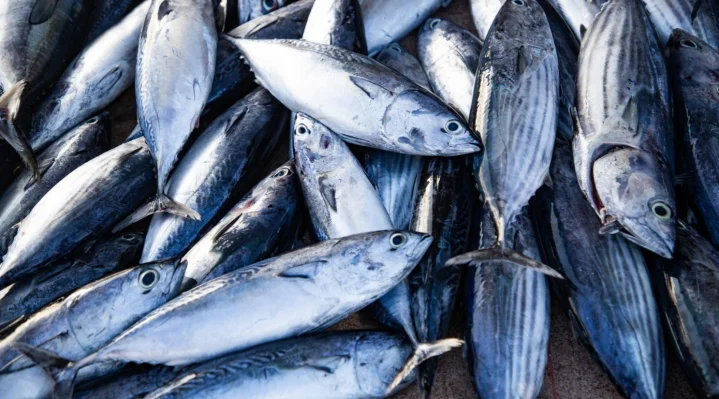
On 1 November, the Maldives Industrial Fisheries Company (MIFCO) raised its skipjack price from MVR 22.75 to MVR 23 per kilogramme. For a boat selling a tonne, that last increase means MVR 250 more before costs and the crew’s split. The quantity of fish available to sell can matter far more. Fisheries ministry figures show that skipjack purchases fell from about 46,600 tonnes in the first half of 2025 to 19,500 tonnes in the first half of 2026. Those figures measure how much fish buyers took in.
Four years after that collection vessel filled up, Ihavandhoo’s council was still raising peak-season unloading delays with the fisheries ministry. It did so just days before the November price increase. A full hold can still cost a crew fishing time if there is nowhere to unload it. The cold store under development on the island should give buyers more room to take fish. Boats will also need a collection schedule they can plan around.
There is already a government system intended to pay fishers within 48 hours of a sale to MIFCO. For the crew, there is a second wait. The boat still has to deduct its costs and divide the proceeds before each fisher knows what the trip earned them.
Ihavandhoo could start with a one-year trial on a handful of boats already fishing from the island. Before the busy season, the council would bring skippers, boat owners, crew representatives, MIFCO and private buyers together. The crews know where time and money are lost. Buyers know how much fish they can take. The council could turn that information into a weekly schedule showing where boats can unload, when ice is available and who can take the catch if the first buyer fills up. The fisheries ministry could help arrange a backup collection run when local capacity is stretched. MIFCO already combines jetty landings, collection vessels and ice supply at Kooddoo in Huvadhu.
Boat owners and crews could agree a guaranteed base payment for rostered work, with a share of the catch on top. Crew representatives would help agree the pay date, which costs owners can deduct and what happens when bad weather keeps boats ashore. Owners would set aside enough from stronger months to meet the base payments in lean ones. After each sale, the crew would get a statement showing what the catch sold for and how each person’s share was calculated. A fisher weighing up a job ashore would know what the boat could promise even in a poor month.
The fisheries ministry already has a programme to build on. In November 2025, it selected five young Maldivians for three months of training aboard fishing vessels after preparatory navigation instruction. In an island trial, the ministry could fund stipends and safety training, the council could recruit locally and match applicants with boats, and experienced fishers could teach navigation, catch handling and basic engine care. Boat owners would provide accident cover and tell applicants up front what a paid crew place would offer after training. A stipend helps an apprentice get through training. A paid crew place gives them a reason to stay.
The ministry and council could record current landing waits and crew pay before the trial. After a year, they could report what changed, what crews took home in lean months and how many apprentices were still fishing. Crews should be able to report late or disputed payments privately, and the ministry could make further training support conditional on boats honouring the terms they offered. If the numbers hold up, Huvadhu would be a natural place to try the arrangement next. Boats registered in Gaafu Alif and Gaafu Dhaalu accounted for almost 29% of the national catch in 2025.
Some of the most dependable jobs a fishing island can create may be on land. Gemanafushi already produces dried seafood and other fish products. In Meemu Mulah, the council has invited bids for 11 plots for fisheries businesses. Councils could bring crews, processors and resort buyers together around standing orders. A processor would know how much fish to buy, boats would have another outlet for their catch, and the processor could apply for an Aaruveri matching grant to help pay for equipment. A regular order gives a processor a reason to hire and an island a way to earn more from the catch it already has.
The next person in Ihavandhoo offered a place on a boat will want to know when the money comes, what a lean month pays and whether there is a job at the end of training. The council, the ministry and the people who fish can each help make those answers credible. The worker can then put a real offer from a boat beside a salary ashore.