Finance Minister Says Ras Malé Project Could Ease Dollar Shortage
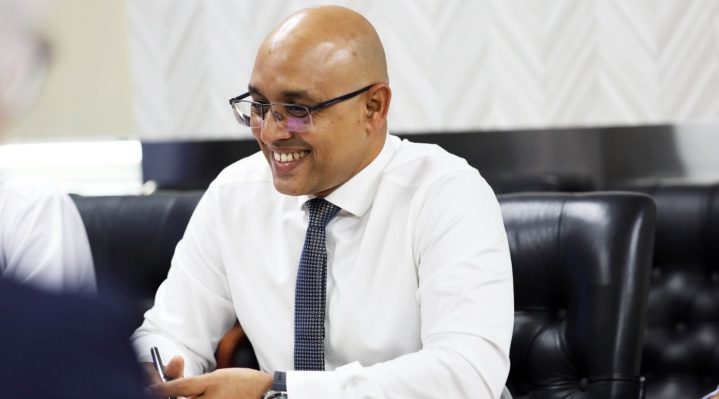
- Finance Minister Zareer says the Ras Malé project is structured to channel foreign currency into Maldivian banks via escrow accounts, easing the dollar shortage.
- Officials project up to USD 30 billion in leasehold revenue and over USD 2 billion in annual tourism income, though these remain unconfirmed projections.
- The full agreement is undisclosed, with unexplained differences in development values (USD 12–20 billion), no confirmed financing, equity, lenders, or construction timeline announced.
Finance Minister Hassan Zareer has said the proposed Maldives Waterfront and Marina development in Ras Malé has been structured to bring foreign currency into the domestic banking system and ease the country’s dollar shortage.
His remarks followed the signing of a commercial terms agreement between the Government and Abu Dhabi-based developer Eagle Hills for an integrated tourism, residential and commercial destination.






Speaking on PSM’s Raajje Miadhu programme, Minister Zareer said revenue from the sale of leasehold properties would be deposited into an escrow account maintained with a Maldivian bank. He said the arrangement was intended to prevent foreign currency generated through the project from immediately leaving the country.
“This project is designed to resolve the challenges Maldivians are currently facing in accessing dollars. This will therefore offer a huge relief,” he said.
Minister Zareer projected that leasehold transactions could generate approximately USD 30 billion over the project’s lifetime, while tourism activities within the destination could eventually produce more than USD 2 billion in annual revenue.
However, these figures are projections rather than financing or revenue already secured. The agreement signed so far establishes the project’s shared vision and principal commercial terms, while Eagle Hills has said detailed terms will be developed as the project progresses.
The full agreement has not been made public. Consequently, its implementation conditions, construction milestones, completion deadlines and provisions governing non-performance cannot yet be independently assessed.
There is also a difference between the development values announced publicly. Eagle Hills’ official announcement placed the envisaged development scale at approximately USD 12 billion across several phases. Eagle Hills Chairman Mohamed Alabbar later told Khaleej Times that the investment could reach around USD 20 billion. The reason for the difference has not been publicly explained.
Alabbar indicated that projects of this scale may be developed over periods extending from 10 to 15 years and are generally financed through a combination of developer equity, debt and property pre-sales.
The amount of equity Eagle Hills will directly contribute has not been disclosed. No lenders or confirmed debt facilities have been announced, while a construction timetable for the overall development remains unavailable.
Housing Minister Dr Abdulla Muthalib has said payments to contractors and suppliers will be processed through licensed Maldivian banks. Revenue from property transactions would also pass through domestic escrow accounts.
According to Minister Muthalib, Eagle Hills will not receive a tax holiday or exemption. The Government is expected to receive 10 percent of revenue generated from commercially developed properties, alongside a four percent registration fee on transactions during the project’s first and second phases.
These arrangements are expected to operate under a proposed Real Estate Act that is still being drafted. Details on how the escrow accounts will be supervised, when funds may be released and what protections will apply to buyers have not yet been published.
Land ownership is expected to remain with the state, with buyers receiving leasehold rights lasting up to 99 years. Eagle Hills has begun accepting registrations of interest for apartments, serviced residences and villas, although prices, payment schedules and expected handover dates are not currently available on its project website.
The development is also expected to include 5,000 housing units for Maldivian families. Minister Zareer estimated this component would cost around USD 500 million and said construction was expected to begin early next year. A detailed financing and delivery plan for the housing component has not been released.
Routing project revenue through Maldivian banks could increase the amount of foreign currency passing through the formal financial system. However, this would not automatically make all project revenue available to meet general dollar demand.
The eventual effect will depend on actual property sales, the timing of inflows and the amount used for imported construction materials, foreign contractors, debt repayments and other external expenses. It will also depend on how the escrow arrangements operate under the proposed legislation.
Minister Zareer’s claim therefore sets out the Government’s intended economic outcome from the development. Whether the project can materially ease the dollar shortage will depend on the final agreement, its financing, project execution and the amount of foreign currency that ultimately remains within the Maldivian economy.