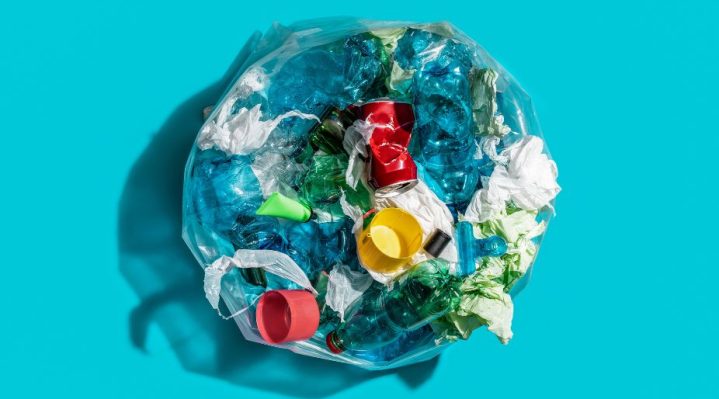
The Maldives is generating more than 517,000 tonnes of waste each year, placing continued pressure on the country’s waste management system as authorities work to introduce new regulatory measures and improve coordination across the sector.
The Ministry of Climate Change, Environment and Energy provided an update on ongoing waste management initiatives during a press conference held on Tuesday. According to the Ministry, waste management remains particularly difficult in the Maldives due to the country’s dispersed island geography, which requires the use of both land and marine transport.







Transporting waste between islands and waste management centres accounts for a significant share of the cost involved. The Ministry also noted that measures to reduce the overall volume of waste generated in the country have yet to fully take effect.
The Ministry said waste generation across different sectors continues to rise, including from the tourism industry. The increase has added to the need for stronger systems covering collection, transport, treatment and disposal.
As part of efforts to improve the sector, a new legal framework has been developed to clarify institutional responsibilities and introduce more detailed regulation. Four regulations are expected to be introduced under the framework: the General Waste Management Regulation, the Waste Management Service Provision Regulation, the Single-Use Plastics Reduction Regulation, and the Extended Producer Responsibility Regulation.
According to the Ministry, the legislation sets out the responsibilities of local councils, the Ministry, the Environmental Protection Agency, the Utility Regulatory Authority and other relevant institutions involved in waste management. The clearer division of responsibilities is intended to address previous gaps in how waste management duties were assigned and implemented.
The Ministry also pointed to the reduction in plastic supari packets as an example of progress in waste reduction. The packets, once commonly seen discarded in public areas, are now less visible following earlier measures to reduce their use.
The latest update indicates that while some progress has been made in reducing specific forms of waste, the Maldives continues to face a wider structural challenge in managing rising waste volumes across islands, households, businesses and the tourism sector.