The agreement between the United States and Iran has reduced fears of a prolonged closure of the Strait of Hormuz, but the economic pressure facing import-dependent countries such as the Maldives is unlikely to disappear quickly.
Oil prices fell after the agreement was announced, reflecting expectations that crude exports from the Gulf could gradually return to international markets. Yet commercial traffic through the strait remains limited, with shipowners, insurers and cargo operators waiting for clearer evidence that the waterway is secure.







For the Maldives, the distinction between a political reopening and an operational recovery is significant. The country relies heavily on imported fuel, food, construction materials and consumer goods, while almost all international merchandise trade reaches the country by sea.
Any continued disruption to energy markets, shipping schedules or insurance coverage can therefore affect domestic prices, foreign currency demand, government expenditure and the operating costs of tourism businesses.
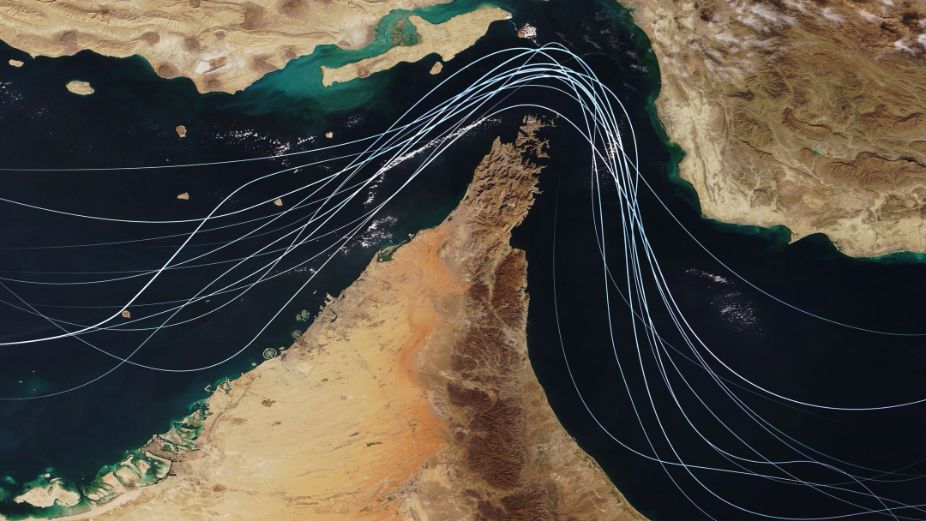
The Strait of Hormuz normally carries about 20 million barrels of oil per day, equivalent to around one-fifth of global petroleum liquids consumption. It is also an important route for liquefied natural gas, refined petroleum products and fertiliser exports from Gulf producers.
Shipping through the waterway fell sharply after hostilities began in late February. Although the preliminary agreement envisages the restoration of safe passage, operators remain concerned about possible naval mines, renewed military action, navigation restrictions and uncertainty over Iran’s proposed transit arrangements.
Large shipping companies are unlikely to resume normal operations solely on the basis of political statements. They require evidence that vessels can pass without attack, detention or damage, and that ports, loading facilities and navigation channels are operating reliably.
Insurers face a similar calculation. War-risk premiums for ships using the strait rose sharply during the conflict, while some coverage was withdrawn altogether. Premiums have reportedly declined from their wartime peaks, but they remain considerably higher than before the closure.
These costs matter even when a vessel carrying goods to the Maldives does not pass directly through Hormuz. Higher tanker rates, insurance charges and marine fuel prices can spread across global shipping networks, raising the cost of moving cargo between Asia, the Middle East and the Indian Ocean.
A vessel transporting food or manufactured goods from another Asian port may still face higher operating expenses because global fuel and freight markets are interconnected. Shipping lines may also adjust routes, schedules and surcharges across their wider networks to recover losses incurred during the disruption.
The Maldives entered the crisis with considerable exposure to imported energy. Maldives Monetary Authority data show that petroleum product imports were valued at about USD 710 million in 2025, including more than USD 537 million in diesel and marine gas oil.
The impact became more visible in 2026. Petroleum imports reached nearly USD 240 million during the first quarter, an increase of almost 49 per cent compared with the same period a year earlier. April alone recorded approximately USD 168 million in petroleum imports, almost three times the value reported in April 2025.
Diesel is particularly important because it supports electricity generation, maritime transport, construction activity and resort operations throughout the archipelago. Unlike economies with extensive national power grids, the Maldives operates many separate island electricity systems, most of which remain dependent on imported fuel.
Higher diesel prices can consequently spread through the economy. They raise the cost of generating electricity, operating ferries and speedboats, transporting goods between islands, running heavy machinery and maintaining resort infrastructure.
This exposure can also increase pressure on public finances. Where the government limits the transmission of global energy prices to electricity tariffs or retail fuel prices, part of the additional cost may be absorbed through subsidies, transfers or losses incurred by state-owned enterprises.
Where costs are passed on, households and businesses face higher utility and transport expenses. Either outcome creates economic pressure, particularly at a time when the government is attempting to reduce fiscal deficits, manage debt repayments and preserve foreign currency reserves.
The reopening of Hormuz could reduce these pressures if oil exports recover and international prices continue to decline. However, there is likely to be a delay between a fall in global crude prices and lower costs in the Maldives.
Fuel already purchased at higher prices may remain in storage or in transit. Shipping contracts, insurance charges and supplier pricing may also take time to adjust. The domestic effect will depend on purchasing schedules, inventory levels, exchange conditions and decisions on retail pricing.
The consequences extend beyond fuel. The Maldives imported goods worth USD 3.62 billion in 2025, while food imports alone reached about USD 791 million. Food imports rose further to approximately USD 225 million during the first quarter of 2026.
A prolonged disturbance in Gulf shipping can affect food prices through several channels. Higher fuel costs raise agricultural production, processing and transport expenses. Disruptions to fertiliser and natural gas exports can increase farming costs in food-producing countries, while higher freight and insurance charges add to the landed cost of imports.
The Maldives is not a major agricultural producer and has limited capacity to replace imported food at short notice. This means global increases in grain, dairy, meat, cooking oil and packaged-food prices can reach domestic consumers relatively quickly.
Restaurants, retailers and resorts may initially absorb part of these costs, particularly where contracts or competitive pressures limit price increases. Over time, however, persistent cost growth can lead to higher menu prices, reduced margins or changes in sourcing and product availability.
Tourism is also exposed through both operating costs and international travel demand.
Resorts depend on diesel, aviation fuel, imported food, construction materials and marine transport. Seaplane operations, speedboat transfers, desalination systems, cooling equipment and electricity generation all require substantial energy inputs.
Higher fuel and logistics costs can therefore increase the cost of accommodating each visitor. Larger operators may be able to negotiate supply agreements or hedge parts of their exposure, but smaller resorts, guesthouses, transport companies and tourism suppliers may have less room to absorb sudden price changes.
Aviation presents another risk. A sustained increase in jet fuel prices raises airline operating costs and can lead to higher fares, reduced frequencies or capacity changes. This is particularly relevant for the Maldives because most visitors travel long distances and the tourism industry depends on direct and connecting flights from Europe, Asia and the Middle East.
Lower oil prices following the preliminary agreement could ease pressure on airlines. However, carriers and fuel suppliers will also be watching whether Gulf energy exports resume consistently and whether regional airspace and maritime security remain stable.
The conflict has also affected the Maldives through the foreign exchange market. Fuel and food imports require large amounts of US dollars, while higher import values increase demand for foreign currency.
If the cost of imports rises faster than tourism receipts and other foreign currency inflows, pressure can build on the current account and official reserves. The World Bank has warned that higher global oil prices could widen the Maldives’ current account deficit substantially in 2026.
This matters because the country already faces high external financing requirements and limited fiscal room. An energy shock can simultaneously increase the import bill, raise subsidy costs and weaken business confidence.
The preliminary agreement has reduced the most severe risk: a prolonged and complete interruption of Gulf energy exports. Nevertheless, reopening the Strait of Hormuz will involve more than allowing vessels to enter the waterway.
Mine clearance must be verified, navigation channels must be secured, damaged infrastructure must be restored and insurers must become willing to provide affordable coverage. Hundreds of vessels waiting on either side of the strait could also create congestion as traffic resumes.
Energy production itself may take time to recover. Some facilities reduced or stopped operations because storage capacity was exhausted during the closure. Export terminals, pipelines and port infrastructure may require repairs or inspections before normal volumes can be handled.
This means that global oil markets could remain volatile even as more ships begin moving. Prices may fall when progress is reported and rise again if talks encounter difficulties or a security incident occurs.
For the Maldives, the central policy issue is resilience rather than the direction of oil prices on any single day.
Maintaining adequate fuel and essential-goods stocks can provide protection against short disruptions. Greater transparency over national inventories and expected supply schedules could also help businesses and consumers assess risks without encouraging panic buying.
The crisis provides another argument for accelerating renewable energy investment. Solar power, battery storage and more efficient electricity systems cannot remove the Maldives’ dependence on imported fuel immediately, but they can gradually reduce exposure to external oil shocks.
Businesses may also need to examine supply contracts, shipping routes, inventory policies and insurance arrangements. Resorts and importers that depend heavily on a small number of regional suppliers could consider wider sourcing options, although diversification may carry additional costs.
The preliminary US-Iran agreement has improved the outlook for energy markets, but it has not yet restored normal shipping conditions. For the Maldives, meaningful relief will depend on secure vessel movements, lower insurance charges, recovering Gulf exports and sustained reductions in fuel and freight costs.
Until those conditions are visible, the Strait of Hormuz will remain a source of economic risk for the country, even if it is officially described as open.