- The Maldives Meteorological Service forecasts above-average temperatures nationwide from September to November as El Niño conditions influence regional weather.
- Northern and central atolls from Haa Alifu to Dhaalu expect heavier-than-usual rainfall, while southern atolls from Huvadhu to Addu face below-average rainfall.
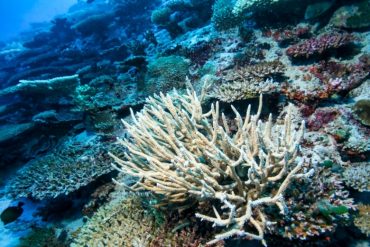
- Rising sea surface temperatures, around 2 degrees above average, risk coral bleaching and may affect agriculture, fisheries and marine ecosystems.
Temperatures across the Maldives are forecast to remain above seasonal averages between September and November as El Niño conditions influence weather and ocean patterns across the region.
The Maldives Meteorological Service expects the warmer conditions to affect every part of the country, while rainfall is likely to differ considerably between northern, central and southern atolls.







Atolls stretching from Haa Alifu to Dhaalu are forecast to receive more rainfall than usual. The heaviest rainfall is expected between Noonu and Alifu Alifu atolls.
Southern Maldives is likely to experience the opposite pattern, with below-average rainfall forecast from Huvadhu Atoll to Addu during the three-month period.
The outlook comes as sea surface temperatures continue to rise in the eastern equatorial Pacific Ocean, a key region used to assess the development and strength of El Niño. Temperatures there are around 2 degrees Celsius above the long-term average.
A sea surface temperature anomaly of 1.8 degrees Celsius was recorded in the region in mid-August, alongside increases in other areas monitored for El Niño activity.
The warmer conditions could have environmental and economic consequences for the Maldives. Prolonged increases in sea surface temperatures can place coral reefs under heat stress and raise the risk of coral bleaching.
Changing rainfall patterns may also affect agriculture, particularly in areas that experience extended dry conditions or unusually heavy rainfall. Variations in ocean temperatures could influence fisheries and marine ecosystems.
The Met Office has called for preparations to reduce potential disruption to agriculture and continued monitoring of sea surface temperatures and their possible effects on fisheries.