Maldives Moves to Establish NIC to Advance Overseas Education and Employment Recognition
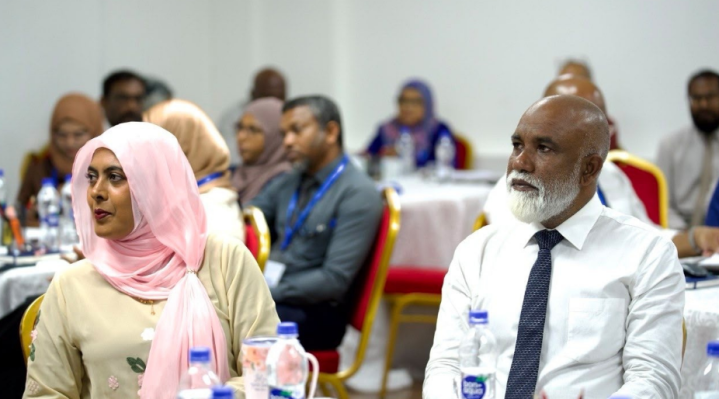
- The Maldives, through the MQA and UNESCO, has begun establishing a National Information Centre (NIC) to recognise higher education qualifications.
- The NIC aligns the Maldives with UNESCO's Global Convention and the Tokyo Convention, promoting fair and transparent credential recognition across borders.
- The initiative benefits students and professionals pursuing overseas education and employment, and received support via the UNESCO-Republic of Korea Funds-in-Trust project.
The United Nations (UN) Maldives has announced that the Maldives has taken steps towards establishing a National Information Centre (NIC) for the recognition of higher education qualifications.
The initiative aims to make international study and employment opportunities more transparent and accessible for Maldivian students, graduates, and working professionals.







According to a press release shared by the UN Maldives, the Maldives Qualifications Authority (MQA), in partnership with UNESCO, recently convened a workshop to assess MQA’s current readiness and outline key steps required to form the NIC. The event brought together government officials, higher education institutions, professional councils, and international experts to examine framework models from across the Asia-Pacific region, including practices from the Republic of Korea.
A National Information Centre operates as an authoritative source on higher education systems, quality assurance standards, and procedures for evaluating foreign credentials. By establishing this centre, the Maldives aligns itself with UNESCO’s Global Convention on the Recognition of Qualifications concerning Higher Education and the Asia-Pacific Regional Convention, also known as the Tokyo Convention. These international frameworks promote fair, transparent, and non-discriminatory recognition of academic qualifications across borders.
As per the UN Maldives, Chief Executive Officer of the MQA, Mariyam Fizaana Rashyd, noted that transforming the authority into a National Information Centre will enhance transparency, international mobility, and confidence in the country’s higher education system.
Additionally, State Minister for the Ministry of Education, Higher Education and Skills Development, Ahmed Shafeeu, highlighted the national commitment towards ratifying and implementing the Tokyo and Global Conventions. He emphasised that these frameworks hold significant value for the Maldives, where growing numbers of students and professionals pursue education and careers abroad.
For Maldivian students, a structured recognition system clarifies procedures when applying to foreign universities, transferring academic credits, or undertaking postgraduate studies. Similarly, professionals benefit when seeking work overseas, registering with professional regulatory bodies, or returning home with qualifications earned abroad. The NIC provides dependable information that helps employers, regulatory bodies, and academic institutions make informed decisions, says the UN Maldives.
During the workshop, delegates discussed key operational areas, including information management systems, digital platforms, recognition procedures, appeals mechanisms, and stakeholder collaboration.
The UN Maldives press release also highlights that the initiative received support through the UNESCO-Republic of Korea Funds-in-Trust project, titled “Educational Innovation & Regional Integration in Asia-Pacific: Action Plan to Facilitate Cross-border Recognition of Qualifications for Students and Professionals” (2025–2028). The regional programme assists countries in building transparent qualification standards to foster academic and professional mobility throughout Asia and the Pacific.