- Parliament began debating the MVR 59.7 billion 2027 state budget with 23 amendments submitted by lawmakers.
- The Budget Committee recommended approving the government's budget unchanged, despite institutions citing insufficient allocations.
- The budget projects MVR 43.2 billion in revenue and a MVR 9.4 billion deficit, or 7.3 per cent of GDP.
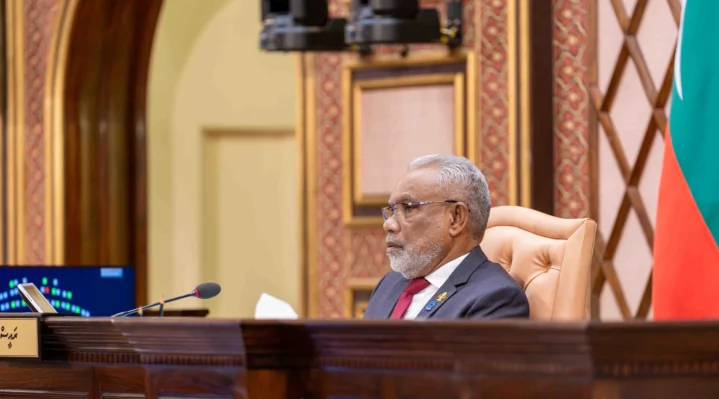
Lawmakers have submitted 23 amendments to the proposed MVR 59.7 billion state budget for 2027, as Parliament began debating the Budget Committee’s report on Monday.
Speaker Abdul Raheem Abdulla announced the number of amendments before the debate began but did not identify the lawmakers who submitted them. The proposals follow the committee’s decision on 19 November to recommend approving the government’s budget without changes.







Parliament will vote on the amendments after concluding its debate on the committee report, before voting on the budget as a whole.
The committee’s review included concerns from independent institutions that their proposed allocations fell short of the amounts they had requested. Finance Minister Hassan Zareer maintained that the allocations were sufficient and said additional spending needs could be addressed through the contingency budget.
Minister Zareer presented the budget to Parliament on 29 October. The proposed total is MVR 4.5 billion below the MVR 64.2 billion budget approved for 2026.
Despite the reduction in the overall budget, recurrent spending accounts for most projected expenditure. The government has allocated MVR 42.7 billion for recurrent expenses, equivalent to approximately 81 per cent of the MVR 52.6 billion in total expenditure.
Capital expenditure is projected at MVR 9.9 billion, including MVR 8.2 billion for the Public Sector Investment Programme, which funds development projects.
Revenue and grants are forecast at MVR 43.2 billion, leaving a projected fiscal deficit of MVR 9.4 billion, or 7.3 per cent of gross domestic product.
The amendments now bring the proposed allocations back before the full Parliament, which will decide whether to retain the committee’s recommendation or approve changes.