The Dollar Divide: How Rufiyaa Earners Pay More in a Dollar Economy
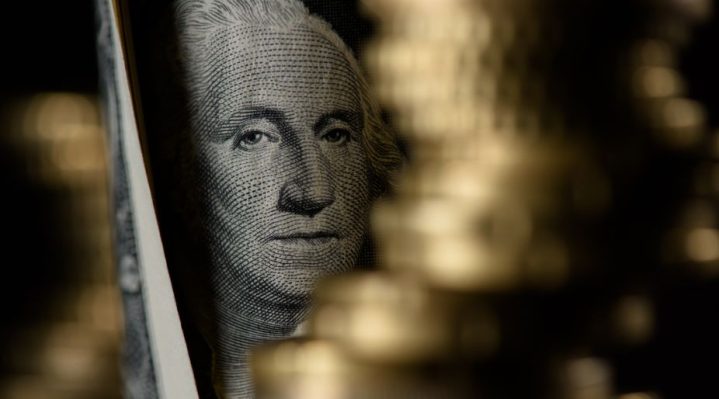
- The Maldives runs a dollar-dependent economy, earning from tourism and exports while importing most goods and repaying debt in foreign currency.
- A 'dollar divide' rewards those with dollar income while rufiyaa earners face higher costs, tighter restrictions and weaker purchasing power.
- Most Maldivians earn in rufiyaa yet face dollar-linked prices on food, fuel, rent and digital services, deepening financial pressure.
In the Maldives today, access to dollars can decide how far a salary goes, how easily a family can pay for education abroad, how much a business pays for imports, and whether a person can travel or shop online without hitting a banking wall.
The problem is not simply that some people earn in US dollars. Tourism, exports and foreign investment naturally bring dollars into the country, and many workers depend on those sectors. The deeper issue is that the economy increasingly rewards those with easy access to dollars, while people earning mainly in Maldivian rufiyaa face higher costs, tighter restrictions and weaker purchasing power.






This has created a dollar divide. People and businesses with dollar income are better protected from the effects of the parallel market exchange rate, import costs, rent pressures and foreign transaction limits. Rufiyaa earners, meanwhile, live in an economy where many costs are tied to the dollar, even though their income is not.
The Dollar Economy
The Maldives is a dollar-dependent economy because it earns, spends and borrows heavily in foreign currency.
Tourism is the largest source of foreign exchange. Resorts, guesthouses, liveaboards, airlines and tourism-linked businesses price many services in dollars, while the sector accounts for a major share of economic activity and foreign currency earnings. Export sectors, including fisheries, also bring in foreign currency, though at a smaller scale than tourism.
At the same time, the country spends heavily in dollars. The Maldives imports most of what it consumes, including fuel, food, medicine, construction materials, vehicles, machinery and consumer goods. External debt repayments also have to be made in foreign currency. Overseas education, medical treatment, travel, digital services and online shopping add further demand.
This creates a basic pressure point. The country earns dollars, but it also needs dollars constantly. When the formal banking system cannot provide enough foreign currency at the official rate, the pressure shifts to households, businesses and the informal market.
The Rufiyaa Reality
Most Maldivians are paid in rufiyaa. Civil servants, teachers, nurses, office staff, retail workers, many small business employees and domestic service providers largely earn in local currency.
Yet many of their expenses are linked to dollars. Imported rice, flour, onions, fuel, medicine and household items all depend on foreign exchange. Construction materials are imported, which affects housing costs and rent. Even digital life now requires dollars, from software subscriptions and online courses to e-commerce platforms and foreign payment services.
This means a rufiyaa salary does not exist in a purely rufiyaa economy. A worker may be paid in local currency, but the prices around them are shaped by the cost of accessing dollars. When dollars become scarce, the rufiyaa earner feels it through higher shop prices, stricter card limits and a weaker ability to save.
The Parallel Market Problem
Officially, the rufiyaa is pegged to the US dollar at MVR 15.42 per dollar. That official rate remains central to public accounting, banking and formal exchange.
But the official rate is not the rate many people face when they cannot get enough dollars through banks. The research indicates that the unofficial parallel market rate has remained far higher, reportedly around MVR 20.50 to MVR 21 in mid-2026. This rate is not official and should be treated as market-reported information, not a legally recognised exchange rate.
Still, it matters because it reflects the real cost faced by many importers, parents supporting students abroad, medical travellers, small businesses and ordinary consumers when formal access is limited.
The gap is large. At around MVR 20.50, a dollar costs roughly one-third more than the official rate. If an importer has to buy dollars at that price to bring in goods, the higher cost is likely to appear later in retail prices. The result is an unofficial exchange rate that acts like an invisible tax on people who earn in rufiyaa.
How Dollar Earners Are Protected
People and businesses with direct dollar income are not immune to economic pressure, but they are better positioned than those who depend only on rufiyaa.
A resort, guesthouse, exporter or consultant earning in dollars can preserve more purchasing power. They can pay foreign suppliers more easily, hold savings in a more stable currency, travel with fewer restrictions and avoid some of the friction faced by rufiyaa earners trying to obtain foreign exchange.
Dollar earners also gain when they convert foreign currency into rufiyaa at the higher unofficial rate. A person holding dollars can receive far more rufiyaa in the parallel market than at the official rate. That increases their local spending power in areas such as rent, construction, services and asset purchases.
For larger businesses, the difference can be even more significant. Direct dollar revenue reduces dependence on bank allocations and makes imports smoother. It also protects margins when the parallel market rate rises.
This does not mean every dollar earner is wealthy. Some resort workers receive service charges or allowances in dollars and still face high living costs. But even limited dollar income can provide a level of protection that is unavailable to those whose income is fixed in rufiyaa.
How Rufiyaa Earners Pay the Price
For ordinary households, the dollar shortage appears in everyday costs. Food prices are affected because most staples are imported. Medicine and medical equipment depend on foreign suppliers. Rent is shaped by the cost of land, construction, imported fittings and the wider shortage of affordable housing. Travel and overseas education require foreign currency directly. Online payments depend on card access, and card access depends on bank limits.
Small businesses face a similar squeeze. A shop, café, online seller or small contractor may earn in rufiyaa but need dollars to buy stock, software, tools or raw materials. If formal banking channels cannot meet demand, these businesses may turn to the parallel market. The higher exchange cost then either reduces profit margins or gets passed to customers.
Students abroad and families seeking medical care are among the groups most exposed. Their needs are not luxury spending, but they still depend on reliable access to foreign currency. When bank limits are tight, families often have to search for dollars informally, pay higher rates or delay payments.
The result is a two-tier system. Those who already have dollars can move through the economy with fewer barriers. Those who need to buy dollars face higher costs and more restrictions.
Government Promises and Policy Failures
Successive governments have promised to ease the dollar shortage, improve reserves, reduce reliance on the parallel market and stabilise the economy. Yet the persistence of the gap between the official and unofficial rates shows that policy has not resolved the core problem.
The previous administration faced criticism over heavy state spending, high debt and deficit financing, including what current officials have described as excessive money creation during the pandemic period. The current administration has blamed these policies for expanding rufiyaa liquidity without matching dollar inflows.
But blaming the past does not solve the present. The current government also came to office promising stronger management of dollar flows and better access to foreign currency. It introduced the Foreign Currency Act, which came into effect in January 2025, with rules requiring tourism establishments and large foreign currency earners to bank and convert specified amounts through the domestic system.
Under the framework, Category A tourism establishments face conversion requirements linked to tourist arrivals or a percentage of monthly foreign currency sales, while smaller establishments face lower thresholds. The stated aim is to bring more tourism dollars into the official banking system and reduce the shortage faced by the public.
The policy is important, but its impact remains limited or unproven. If compliance is weak, the effect on public access will be small. If enforcement is too heavy, the government risks resistance from the tourism industry and concern among foreign investors. If the dollars collected are absorbed by debt payments, state needs or large import requirements, ordinary consumers may still see little relief.
Banking restrictions show the limits of these policies. Bank of Maldives moved to sharply restrict foreign transactions on rufiyaa-linked cards, before reversing the decision after public backlash and regulatory intervention. Since then, card limits and special arrangements for categories such as students have remained part of the wider rationing system.
These measures may protect scarce reserves, but they also deepen the divide. A person with dollars does not face the same card restrictions as someone trying to convert rufiyaa into foreign currency.
The Tourism Paradox
Tourism is the country’s strongest dollar engine, but it does not automatically solve dollar access for the wider public. The sector supports employment, government revenue, investment and foreign exchange earnings. Without tourism, the Maldives would face a far more severe economic crisis. It is also true that resort jobs, service charge payments and guesthouse activity can directly benefit Maldivian workers and communities.
The paradox is that tourism brings in dollars, but not all those dollars remain available inside the domestic banking system. Resorts import much of what they use, including food, beverages, equipment, furniture and construction inputs. Foreign-owned or foreign-managed tourism businesses may also repatriate profits, pay overseas booking platforms, settle foreign loans and hold revenue offshore.
This creates leakage. Dollars enter through tourism, then leave again through imports, debt, commissions, management fees and profit transfers. The economy may appear dollar-rich from the outside, while local households and businesses still struggle to access foreign exchange through banks.
The issue, therefore, is not tourism itself. It is the way tourism income circulates, or fails to circulate, through the wider economy.
Debt, Imports, and Reserve Pressure
The dollar shortage is also tied to public finance. The Maldives has carried high debt, large fiscal deficits and heavy external repayment obligations. According to the research, public and publicly guaranteed debt remained very high in 2025, while external debt service needs for 2026 were projected to rise sharply. International institutions have repeatedly warned about debt distress, reserve pressure and the need for fiscal reform.
When the government must use dollars to repay external debt, those dollars cannot also be used to supply banks, support importers or ease retail card limits. When subsidies, state-owned enterprises and public projects require imports, they add further pressure. When fiscal deficits are financed in ways that expand rufiyaa liquidity without increasing dollar reserves, more local currency ends up chasing scarce foreign exchange.
This is why the parallel market rate is not just a banking issue. It is a symptom of a wider imbalance between what the country earns, what it spends, what it imports and what it owes.
There are important qualifications. First, not all dollar earners are privileged in the same way. A resort worker receiving a modest service charge in dollars is not in the same position as a resort owner, foreign investor or large importer. Dollar-linked income can help workers protect purchasing power, especially when living costs are rising.
Second, tourism is not the enemy. It remains the main source of foreign exchange and one of the few sectors capable of supporting large-scale employment and state revenue.
Third, the parallel market, while unofficial and costly, also functions as a pressure valve. If it disappeared without formal dollar access improving, some businesses and families would simply be unable to make essential payments.
Finally, there is no need to claim that the Maldivian economy was intentionally designed to benefit dollar earners. The evidence points to something more structural. The economy is arranged around tourism, imports, external borrowing and a fixed exchange rate, while most citizens earn in a local currency that is difficult to convert freely.
That arrangement produces unequal outcomes. The Maldives does not only have a dollar shortage. It has an unequal system of dollar access.
Those who earn in dollars, hold dollars or receive direct foreign currency inflows are better able to protect their wealth, manage imports, travel, pay overseas costs and withstand inflation. Those earning mainly in rufiyaa face higher prices, tighter banking limits, weaker savings power and greater exposure to the unofficial exchange rate.
This is the real dollar divide. It is not just a technical gap between MVR 15.42 and the parallel market rate. It is a daily difference in who can access the most important currency in the economy, and who must pay extra for it.
Unless the Maldives addresses the deeper causes of the divide, including weak diversification, import dependence, fiscal pressure, debt repayments, reserve shortages and uneven circulation of tourism dollars, rufiyaa earners will continue to live in an economy where the currency they need most is the one they are least able to access.