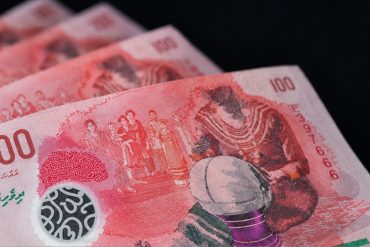
The Maldives has completed repayment of a USD 150 million budget support facility arranged through India, after settling the final USD 50 million Treasury bill held by the State Bank of India (SBI).
The facility comprised three Treasury bills valued at USD 50 million each. The arrangement began in 2019 under former President Ibrahim Mohamed Solih’s administration, with SBI subscribing to the government securities through support facilitated by India. The bills were subsequently extended through annual rollovers.







President Dr Mohamed Muizzu’s administration repaid the first USD 50 million bill in January 2024. A second payment was completed on 11 May 2026, while the final bill was settled on 17 September, bringing the full USD 150 million facility to a close.
The Finance Ministry said the latest payment formed part of the government’s approach to meeting debt obligations on schedule. It added that discussions were continuing with international financial institutions and bilateral partners to strengthen the country’s foreign currency position.
The repayment comes as the Maldives continues to face pressure on its usable reserves. Maldives Monetary Authority figures show that official reserve assets stood at USD 643.8 million at the end of August, up from USD 638 million in July. However, usable reserves fell by 9.6 per cent over the same period, from USD 221.9 million to USD 200.6 million.
The August figures predate the latest USD 50 million repayment and therefore do not reflect its effect on the country’s reserve position.
Concerns over the payment were raised by former President Mohamed Nasheed, who warned that settling the bill could further reduce usable reserves and affect the country’s ability to finance essential imports.
The Finance Ministry rejected the concern, saying foreign currency arrangements were in place to maintain the import of food, fuel and medicine.
“Ensuring that people have uninterrupted access to such essential services and commodities is one of the administration’s top priorities,” the ministry said.
“Therefore, claims that the debt repayment result in difficulties in importing essential commodities are completely baseless.”