- A new Ministry of Tourism regulation targets 168 stalled tourism developments, some undeveloped for over 25 years.
- The government aims to recover USD 537 million owed by lessees and reclaim foregone tax revenue.
- The framework allows extending, reviving, or terminating leases, with some cancelled and others brought into operation.
A new regulatory framework could lead to the termination or revival of long-stalled tourism projects, as the government moves to address 168 undeveloped sites and recover USD 537 million owed to the state.
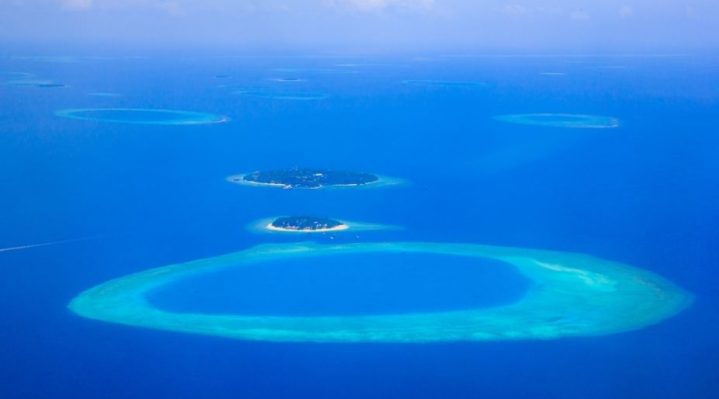
Gazetted by the Ministry of Tourism, the regulation applies to islands and lagoons leased for tourism development that have remained incomplete for extended periods. According to the ministry, some leased islands have remained undeveloped for more than 25 years.







The prolonged delays have prevented valuable state assets from generating economic activity while allowing lessees to retain control of the properties. The ministry said the outstanding amount owed by parties responsible for the 168 sites has reached USD 537 million.
Stalled projects also mean the state cannot collect revenue that would have been generated if the facilities were operational, including Tourism Goods and Services Tax, green tax and airport tax. The absence of operating properties also limits the employment and business opportunities normally created by new tourism developments.
The regulation introduces procedures for extending construction periods, closing properties for redevelopment and granting additional time to complete projects. It also establishes rules for deferring rent and repaying amounts that have been deferred.
Separate procedures have been introduced for sites that have remained undeveloped for particularly long periods. This provides the government with a formal mechanism to determine whether a lease should continue under revised conditions or be terminated.
The ministry said some leases would be cancelled under the new rules, while work would resume at other stalled developments. The aim is to bring viable projects into operation, recover unpaid and foregone state revenue, and create additional employment opportunities.