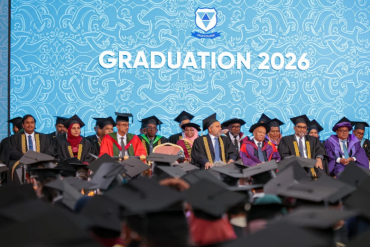
Villa College Enters Global Top 100 for Quality Education in THE Impact Ratings
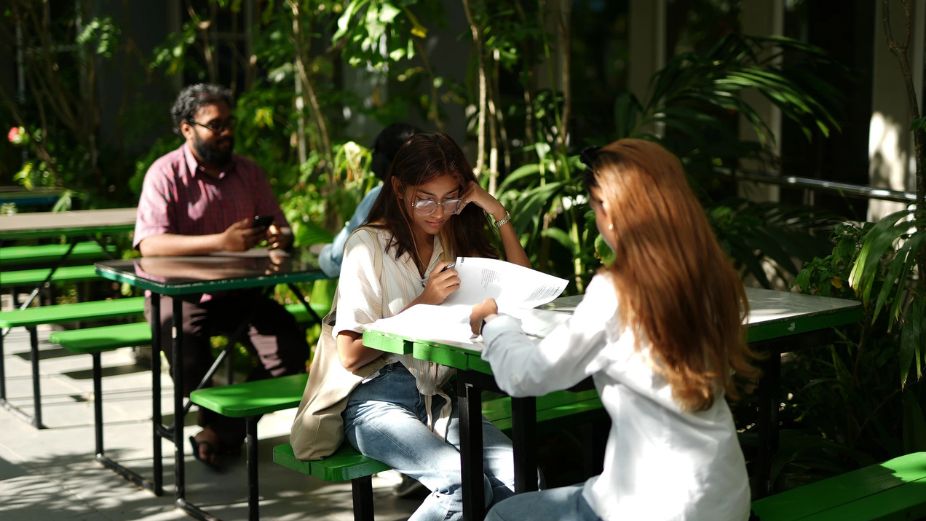
Villa College has entered the global top 100 for Quality Education in the Times Higher Education Sustainability Impact Ratings 2026, marking a notable advancement for Maldivian higher education in an international assessment of universities’ contribution to sustainable development.
The College was ranked joint 82nd out of 1,335 institutions under SDG 4: Quality Education. Its overall ranking also improved to the 301-400 global band among 1,603 participating institutions, up from the 401-600 band in 2025.






The result places Villa College as the highest-ranked higher education institution in the Maldives in the 2026 ratings, strengthening its position within the domestic higher education sector while improving its visibility internationally.
The Times Higher Education Sustainability Impact Ratings assess universities against the United Nations Sustainable Development Goals, measuring institutional performance across teaching, research, stewardship and outreach. For institutions in smaller higher education systems, the ratings provide a benchmark for comparing social and developmental impact with universities across a broader global field.
Villa College submitted data across five SDG categories, recording improvement or continued strength across all areas assessed. In SDG 3: Good Health and Well-being, the College rose to the 201-300 band among 1,254 institutions, compared with the 601-800 band in 2025.
In SDG 4: Quality Education, Villa College moved from the 101-200 band last year to joint 82nd globally. The College also maintained its position in the 201-300 band for SDG 5: Gender Equality, among 1,095 institutions.
Under SDG 16: Peace, Justice and Strong Institutions, Villa College improved to the 101-200 band among 914 institutions, placing it within the top quarter globally. For SDG 17: Partnerships for the Goals, the College remained in the 201-300 band among 1,610 institutions.
The results indicate progress across multiple areas rather than a single-category improvement, with advances in education, health and institutional governance-related measures. The College said the outcome reflects both its development as an institution and the wider ambition of Maldivian higher education to increase its presence in global rankings.
Dr Ali Najeeb, Vice Rector of Villa College, said the achievement was the result of collective effort by students and staff.
“This is the result of the hard work of Villa College’s students and staff together. Achieving such significant progress in a single year reflects the priority we place on quality education and sustainable development. We will remain committed to creating positive social impact and bringing about meaningful change in the society,” he said.
For students and graduates, the ranking may help add international recognition to a Villa College qualification, particularly as global higher education assessments increasingly consider institutional impact alongside academic delivery. The result also reflects the growing role of sustainability-related benchmarks in shaping how universities are evaluated beyond traditional research and teaching indicators.